What types of testosterone are there? Similarities and differences
June 26

What is testosterone?
Testosterone is a steroid hormone produced mainly in the testicles of men and in smaller amounts in the ovaries of women. It is the primary male sex hormone and an anabolic steroid. Testosterone plays a critical role in the development of male reproductive tissues such as the testes and prostate, as well as promoting secondary sexual characteristics such as increased muscle and bone mass, as well as the growth of body hair.
The importance of testosterone for the body
Testosterone has several important functions in the body:
-
Muscle development and strength: Testosterone promotes protein synthesis in muscles, which contributes to increased muscle mass and strength.
-
Bone health: Testosterone helps maintain bone mineral density, reducing the risk of osteoporosis and fractures.
-
Fat distribution: The hormone affects fat distribution in the body, which can reduce body fat and increase muscle mass.
-
Cognitive functions: Testosterone has been shown to positively affect cognitive functions such as memory and concentration.
-
Libido and sexual function: Testosterone is essential for the sex drive and for maintaining a healthy sexual function.
The role of testosterone in sports and bodybuilding
In sports and bodybuilding, testosterone is known for its anabolic effects that can improve performance and physique. Testosterone helps to:
-
Increase muscle mass: By promoting protein synthesis in the muscles, testosterone contributes to faster muscle building.
-
Improve recovery: Higher levels of testosterone can speed recovery time after intense exercise, reducing the risk of overtraining and injury.
-
Increase endurance: By improving oxygen uptake in the muscles, testosterone can contribute to increased endurance and performance.
-
Reduce body fat: Testosterone can affect metabolism by reducing fat storage and promoting a more muscular physique.
Why is testosterone important for athletes and bodybuilders?
For athletes and bodybuilders, optimizing testosterone levels is a key to success. The benefits of adequate testosterone levels include:
-
Improved physical performance: Higher testosterone levels can lead to better strength, endurance and explosiveness, which are essential in many sports.
-
Reduced Recovery Time: Faster recovery means athletes can train harder and more often without risking injury.
-
Increased muscle mass and definition: The ability to build and maintain muscle mass is critical for bodybuilders and strength athletes.
Understanding the role of testosterone and how it can be optimized is essential for those who want to maximize their training results and maintain a high level of physical performance.
Endogenous testosterone
Natural production in the body
Endogenous testosterone refers to the testosterone that is naturally produced by the body. In men, the majority of testosterone is produced in the testicles, while a smaller amount is produced in the adrenal glands. In women, testosterone is produced in the ovaries and adrenal glands, but in much smaller amounts compared to men.
The production process
-
The hypothalamus-pituitary-gonad axis:
-
Hypothalamus: Secretes gonadotropin-releasing hormone (GnRH).
-
Pituitary: GnRH stimulates the release of luteinizing hormone (LH) and follicle-stimulating hormone (FSH).
-
Gonads: LH stimulates the Leydig cells in the testicles to produce testosterone.
-
The role of the testicles:
-
The Leydig cells in the testes are responsible for producing testosterone after stimulation by LH.
-
Regulatory mechanisms:
-
Negative feedback: High levels of testosterone inhibit the release of GnRH and LH to balance hormone levels.
Physiological functions of endogenous testosterone
Testosterone has a number of important physiological functions:
-
Development of male genitalia: Testosterone is essential for the development of male genitalia during the fetal stage and puberty.
-
Secondary sexual characteristics: Stimulates the growth of body hair, beard growth, deepening of the voice and increased muscle mass.
-
Metabolism: Affects the body’s metabolism and fat distribution.
-
Cognitive functions: Affects brain functions such as memory, concentration and mood.
-
Bone health: Important for maintaining bone mineral density and preventing osteoporosis.
Lifestyle factors affecting endogenous testosterone levels
There are several lifestyle factors that can affect the production of endogenous testosterone:
Diet and nutrition
-
Healthy diet: Rich in protein, healthy fats and nutrients such as vitamin D and zinc can support testosterone production.
-
Avoid excessive sugar intake: High sugar levels can lead to lowered testosterone production.
Physical activity
-
Strength training: Regular strength training is known to increase testosterone levels.
-
High Intensity Interval Training (HIIT): Effective in stimulating testosterone production.
Sleep and stress
-
Adequate sleep: 7-9 hours of sleep per night is important for optimal hormone production.
-
Stress management: Chronic stress and high levels of cortisol can lower testosterone levels.
Common Causes of Low Testosterone Levels
There are several reasons why a person may have low levels of endogenous testosterone:
-
Aging: Testosterone levels tend to drop naturally with age.
-
Medical conditions: Diseases such as hypogonadism, type 2 diabetes and obesity can affect testosterone production.
-
Lifestyle factors: Poor diet, physical inactivity and chronic stress can contribute to low testosterone levels.
-
Genetic factors: Certain genetic conditions can affect the body’s ability to produce testosterone.
By understanding and optimizing these factors, individuals can improve their natural testosterone levels and thus their overall health and well-being.
Exogenous testosterone
What is exogenous testosterone?
Exogenous testosterone refers to the testosterone that is administered from the outside, rather than what is naturally produced by the body. This may be necessary in medical conditions such as hypogonadism, where the body does not produce sufficient amounts of testosterone. Exogenous testosterone is also used by some athletes and bodybuilders to improve performance and physical development.
Medical use of exogenous testosterone
Exogenous testosterone is used to treat various medical conditions caused by low testosterone levels. Some common uses include:
-
Hypogonadism: A condition where the body does not produce enough testosterone, which can lead to symptoms such as fatigue, depression and decreased sexual desire.
-
Delayed Puberty: In adolescents, exogenous testosterone can be used to induce puberty when the natural process is delayed.
-
Andropause: In older men, exogenous testosterone can be used to alleviate symptoms of andropause, such as decreased energy, muscle mass and libido.
Treatment plans
Treatment plans for exogenous testosterone should always be tailored to meet individual needs and medical conditions. It is important to be followed up regularly by a doctor to ensure effective and safe results. Common monitoring measures include:
-
Blood test: To measure testosterone levels and adjust the dosage if necessary.
-
Health checks: Regular checks to monitor any side effects or complications.
Exogenous testosterone can be an effective treatment for those suffering from low testosterone levels, but it is important that its use is under close medical supervision to minimize risks and maximize benefits.
Types of Exogenous Testosterone
Exogenous testosterone comes in several different forms, each with its own unique properties, advantages and disadvantages. Here we explore the most common types of exogenous testosterone used for medicinal and performance-enhancing purposes.
Testosterone Enanthate
- [
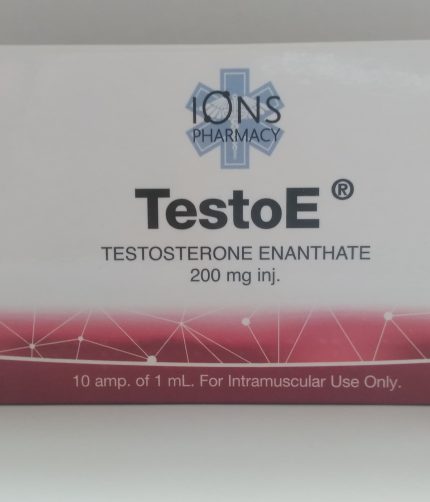
Ions Pharmacy Testosterone Enanthate 200 Mg](/product/ions-pharmacy-testosterone-enanthate-200-mg/) SEK 660.00
- [
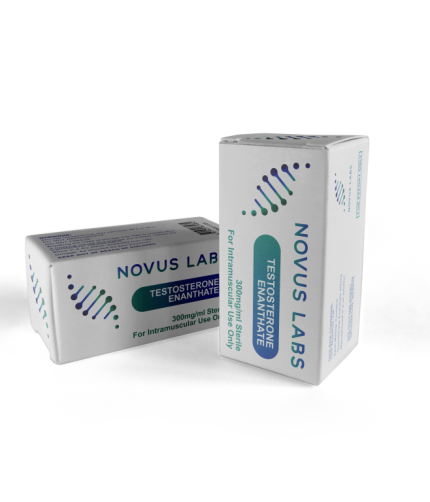
Novous Labs Testosterone Enathate 300mg](/product/novous-labs-testosterone-enathate-300mg/) SEK 559.00
- [
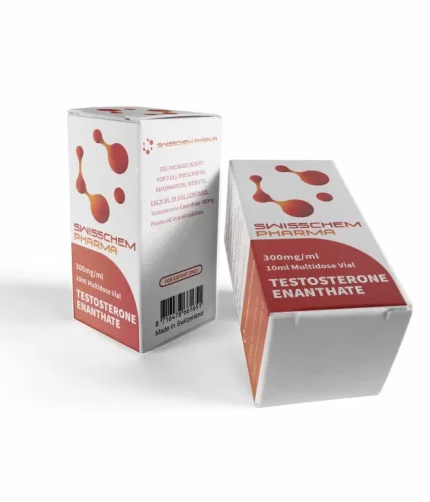
Swisschem Testosterone Enanthate 300mg 1 x 10ml](/product/swisschem-testosterone-enanthate-300mg-1-x-10ml/) SEK 538.00
Testosterone enanthate is a long-acting ester of testosterone that is often used in the medical treatment of low testosterone levels and in bodybuilding to promote muscle mass and strength.
-
Molecular structure: Testosterone with an enant ester
-
Duration of effect: About 2-3 weeks
Advantages and disadvantages of use
-
Advantages:
-
Long-acting, which reduces the frequency of injections
-
Stable release of testosterone over time
-
Disadvantages:
-
May cause water retention and bloating
-
Risk of hormonal imbalances if the dosage is not correct
Testosterone Cypionate
- [
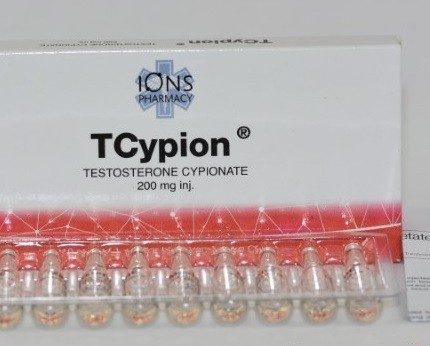
Ions Pharmacy Testosterone Cypionate 200 Mg](/product/ions-pharmacy-testosterone-cypionate-200-mg/) SEK 670.00
- [
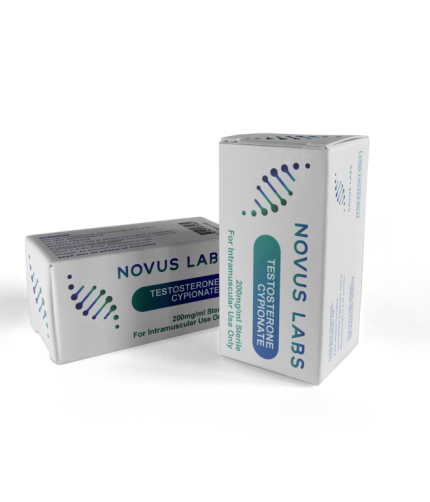
Novous Labs Testosterone Cypionate 200mg](/product/novous-labs-testosterone-cypionate-200mg/) SEK 559.00
- [
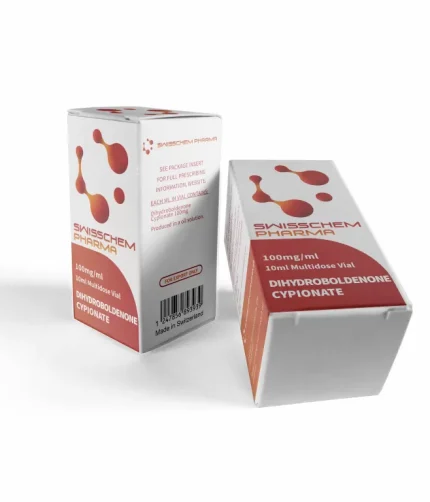
Swisschem Dihydroboldenone Cypionate 100mg 1 x 10ml](/product/swisschem-dihydroboldenone-cypionate-100mg-1-x-10ml/) SEK 0.00
Testosterone cypionate is another popular long-acting ester used in a similar way to testosterone enanthate.
-
Molecular structure: Testosterone with a cypionate ester
-
Duration of effect: About 2-3 weeks
Advantages and disadvantages of use
-
Advantages:
-
Long-acting, which allows for less frequent injections
-
Can contribute to significant muscle mass increase
-
Disadvantages:
-
Similar side effects to testosterone enanthate, including water retention
-
Can negatively affect cholesterol levels
Testosterone Propionate
- [
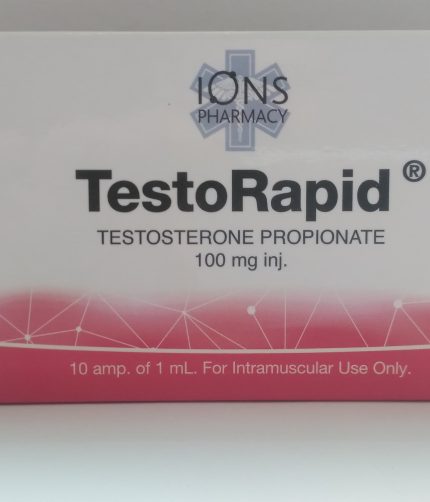
Ions Pharmacy Testosterone Propionate 100 Mg](/product/ions-pharmacy-testosterone-propionate-100-mg/) SEK 560.00
- [
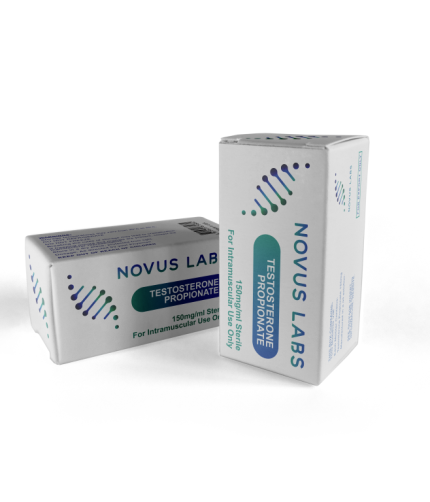
Novous Labs Testosterone Propionate 150mg](/product/novous-labs-testosterone-propionate-150mg/) SEK 515.00
- [
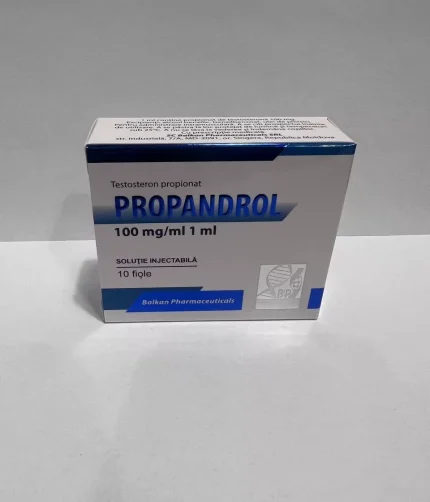
Balkan Propandrol 100mg 10 x 1ml](/product/balkan-propandrol-100mg-10-x-1ml/) SEK 570.00
Testosterone propionate is a short-acting ester of testosterone used for faster results, but requires more frequent injections.
-
Molecular structure: Testosterone with a propionate ester
-
Duration of effect: About 2-3 days
Advantages and disadvantages of use
-
Advantages:
-
Fast action, which is beneficial for short cycles
-
Less risk of water retention compared to long-acting esters
-
Disadvantages:
-
Requires frequent injections, which can be uncomfortable
-
Shorter duration of action means that hormonal fluctuations can be more noticeable
Other forms of testosterone
Testosterone undecanoate
-
Features:
-
Oral and injectable form
-
Long acting, up to 10-14 weeks for injectable form
-
Advantages:
-
Less frequent injections
-
Stable release over a long period
-
Disadvantages:
-
More expensive than other forms
-
Potentially higher risk of side effects in case of incorrect dosage
Testosterone Phenylpropionate
-
Features:
-
Medium acting ester
-
Works within 1-2 weeks
-
Advantages:
-
Balance between quick action and long duration of action
-
Less frequent injections than propionate
-
Disadvantages:
-
Can cause hormonal fluctuations
-
Can be hard to find compared to other forms
.entry-content