What is recovery after anabolic steroids?
June 26

Anabolic steroid recovery, also known as post cycle therapy (PCT), is a process of helping the body return to its natural hormonal balance after a period of steroid use. During a steroid cycle, the body’s own production of testosterone can be suppressed or completely shut down, which can lead to several health problems if not managed properly.
The purpose of recovery
The purpose of recovery is to:
-
Restore the body’s natural hormone production, especially testosterone.
-
Reduce the risk of side effects that may occur after completing the steroid cycle.
-
Ensuring long-term health and well-being.
To achieve these goals, various types of medications and supplements are used to help stimulate hormone production and balance the body’s systems.
Why is recovery important?
Recovery is crucial for several reasons:
-
Hormonal balance: Steroids suppress the natural production of testosterone, which can lead to low testosterone levels after the end of the cycle. This can affect everything from muscle mass to mood and energy.
-
Prevent side effects: Without proper recovery, side effects such as gynecomastia (male breast enlargement), decreased libido, depression and infertility can be experienced.
-
Long-Term Health: Ignoring recovery can lead to long-term health problems, including chronic hormone imbalances and metabolic disorders.
Key factors in recovery:
-
Medication: Use of drugs such as clomiphene (Clomid) and tamoxifen (Nolvadex) to stimulate testosterone production.
-
Diet: A balanced diet that supports hormonal balance and overall health.
-
Exercise and Rest: Adapted exercise routine and adequate rest to support the body’s recovery.
Overview of the recovery process
Understanding how the recovery process works can help you plan and execute an effective PCT. Here’s a basic overview:
Steps for an effective recovery:
-
Evaluation of Needs: Before beginning a recovery, it is important to evaluate your specific needs based on the type of steroids you have been using and for how long.
-
Medication and Supplement Selection: Choose appropriate medications and supplements based on your needs and goals.
-
Cycle Planning: Decide when and how long to take each drug and supplement.
-
Monitor and Adjust: Track your progress and adjust your plan as needed to ensure optimal recovery.
Why is recovery after anabolic steroids necessary?
Side effects of anabolic steroids
Anabolic steroids are often used by athletes and bodybuilders to increase muscle mass and performance. But these substances can have serious side effects, especially when used for long periods or in high doses.
Common side effects include:
-
Hormonal disturbances: Anabolic steroids can affect the body’s natural hormone production, leading to imbalances that can have long-lasting effects.
-
Liver Problems: Steroid use can cause hepatotoxicity and other liver problems.
-
Cardiovascular problems: Increased risk of heart attack, stroke and other cardiovascular diseases.
-
Psychological effects: Mood swings, aggression and depression are common side effects.
-
Gynecomastia: Breast enlargement in men due to hormonal imbalances.
Hormonal imbalances after a steroid cycle
When you finish a steroid cycle, the body may experience a sharp drop in testosterone levels. This is because the exogenous steroids suppress the body’s own production of testosterone. Once the cycle is over, it takes time for the body to resume normal production, which can lead to several problems.
Symptoms of low testosterone levels:
-
Decreased libido: Lack of sexual desire and ability.
-
Fatigue: Constant feeling of tiredness and low energy.
-
Muscle Atrophy: Loss of muscle mass and strength.
-
Increased body fat: Difficulty maintaining a low body fat level.
Health risks without adequate recovery
Ignoring the need for recovery after a steroid cycle can lead to serious and long-term health problems. Without proper post cycle therapy (PCT), the body can have difficulty restoring its natural hormonal balance, which can lead to chronic problems.
Possible long-term health risks:
-
Permanent Hormonal Imbalance: May require lifelong medical treatment.
-
Infertility: Decreased sperm production and fertility.
-
Psychological problems: Increased risk of depression and anxiety.
-
Cardiovascular Diseases: Higher risk of heart disease and high blood pressure.
Summary of the necessity of recovery
A proper and well-planned recovery is essential to minimize the risks and ensure that the body returns to its normal state after a period of anabolic steroid use. By understanding the importance of recovery and implementing an effective PCT, you can:
-
Protect your long-term health: Reduce the risk of serious side effects and health problems.
-
Restore Hormone Balance: Help the body regain normal hormone production and function.
-
Maintain Results: Maintain muscle mass and strength gained during the steroid cycle.
-
Improve well-being: Improve your general physical and mental well-being.
How does recovery from anabolic steroids work?
The process of restoring natural testosterone production
After a steroid cycle, the body’s natural production of testosterone is severely suppressed. Recovery means stimulating and supporting the body to resume its own production of this important hormone.
Steps to Restore Testosterone Production:
-
Initiation: Use of medications such as clomiphene (Clomid) and tamoxifen (Nolvadex) to stimulate the hypothalamus and pituitary gland, which signal the testicles to produce testosterone.
-
Maintenance: Continued use of these medications for a set period to ensure that the production of testosterone is maintained.
-
Conclusion: Gradually taper off medications to allow the body to return to normal hormonal function.
The role of hormones in recovery
To understand how recovery works, it is important to understand the role of the different hormones in the body. Steroid use affects several hormonal axes, including the hypothalamic-pituitary-gonadal axis (HPG axis).
Important hormones involved in recovery:
-
Testosterone: The primary male sex hormone that affects muscle mass, libido and overall health.
-
Luteinizing hormone (LH): Stimulates the testicles to produce testosterone.
-
Follicle Stimulating Hormone (FSH): Important for sperm production and fertility.
Mechanisms that support the body’s recovery
In addition to medications, there are several other mechanisms and strategies that can support the body’s recovery and restoration of hormonal balance.
Diet and nutrition
A balanced diet rich in nutrients can help support hormone production and overall health. Key components include:
-
Proteins: Essential for muscle repair and growth.
-
Fats: Especially healthy fats like omega-3, which are important for hormone production.
-
Vitamins and minerals: Especially zinc and magnesium, which are important for testosterone production.
Training and rest
The right type of exercise and adequate rest are essential for an effective recovery.
-
Strength training: Helps maintain muscle mass and stimulate hormone production.
-
Cardiovascular Exercise: Improves heart health and general fitness.
-
Rest: Adequate sleep and recovery time to allow the body to repair and restore itself
Key elements for effective recovery
Preparations used in recovery
Effective recovery after anabolic steroids requires the use of specific preparations that help restore the body’s natural hormonal balance. The most used preparations are clomiphene (Clomid) and tamoxifen (Nolvadex).
Clomiphene (Clomid)
Clomiphene is a selective estrogen receptor modulator (SERM) that stimulates the pituitary gland to release more luteinizing hormone (LH) and follicle-stimulating hormone (FSH). This helps the testicles produce more testosterone.
-
Dosage: Usually 50 mg daily for two weeks, followed by 25 mg daily for another two weeks.
-
Benefits: Increases natural testosterone production, counteracts the effects of low testosterone.
Tamoxifen (Nolvadex)
- [
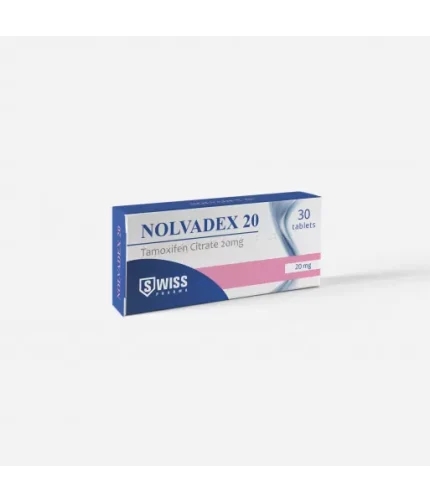
Swiss Pharma Nolvadex (Tamoxifen) 20 mg 30 tab](/product/swiss-pharma-nolvadex-20-mg-30-tab/) SEK 410.00
Tamoxifen is another SERM that works by blocking estrogen receptors in breast tissue, preventing gynecomastia and stimulating testosterone production.
-
Dosage: Usually 20mg daily throughout the recovery period.
-
Benefits: Prevents estrogen-related side effects, supports hormone balance.
Diet and dietary supplements
A balanced diet and the right nutritional supplements are essential to support the body’s recovery and hormonal balance.
Important dietary components:
-
Proteins: Important for muscle repair and growth. Sources include chicken, fish, eggs, and plant-based protein sources such as beans and lentils.
-
Healthy fats: Omega-3 fatty acids from fish, flaxseed and walnuts support hormone production.
-
Carbohydrates: Whole grains, fruits and vegetables provide energy and nutrients.
Important dietary supplements:
| Contribution | Function | Recommended dosage |
|---|---|---|
| Zinc | Supports testosterone production | 30-50 mg daily |
| Magnesium | Improves muscle and nerve function | 400-500 mg daily |
| Vitamin D | Supports immune function and hormone balance | 2000-4000 IU daily |
| Omega-3 | Anti-inflammatory, supports heart health | 1000-3000 mg daily |
The importance of rest and recovery
Adequate rest and recovery are essential for the body to recover from a steroid cycle.
Important aspects of rest:
-
Sleep: Aim for 7-9 hours of quality sleep per night to optimize recovery.
-
Recovery Days: Plan in non-training days to allow muscles to recover.
-
Stress Management: Practice relaxation techniques such as meditation and deep breathing to reduce stress.
Health monitoring during recovery
Regular monitoring of health is important to ensure that the recovery process is going as planned and to identify any problems early.
Key aspects of monitoring:
-
Blood tests: Regular blood tests to check testosterone, estrogen and other relevant hormone levels.
-
Physical Checkups: Regular doctor visits to monitor general health and detect any problems.
-
Self-monitoring: Keep track of your own symptoms and changes in your body, such as energy levels, mood and muscle strength.
.entry-content