What are the best injectable drugs for weight loss?
June 26

Weight loss injections have become an increasingly popular method of combating overweight and obesity. They offer an effective solution for people who have had difficulty losing weight with traditional methods such as diet and exercise. In this section, we will go through what weight loss injections are, how they work, and what advantages and disadvantages they have.
What are weight loss injections?
Weight loss injections are medical treatments administered by injection designed to help people lose weight. These injections contain active ingredients that either reduce appetite, increase metabolism or prevent fat absorption.
Common types of weight loss injections include:
-
Tirzepatide: A new treatment that helps regulate blood sugar levels and reduce appetite.
-
Semaglutide: A GLP-1 receptor agonist that promotes weight loss by regulating insulin and reducing appetite.
-
Saxenda (Liraglutide): Another GLP-1 receptor agonist that affects the brain’s appetite regulation.
How do weight loss injections work?
Weight loss injections work by influencing various physiological processes in the body. Here are some of the main mechanisms:
-
Appetite suppression: Many weight loss injections affect hormones such as leptin and ghrelin, which reduce feelings of hunger and make it easier to eat less.
-
Increased metabolism: Certain injections can increase the body’s metabolism, which leads to more calories being burned, even at rest.
-
Prevented fat absorption: Some treatments reduce the amount of fat the body absorbs from food, resulting in lower calorie intake.
Overview table of mechanisms of action:
| Injection | Mechanism of action | Benefits |
|---|---|---|
| Tirzepatide | Regulates blood sugar and appetite | Reduces hunger, promotes weight loss |
| Semaglutide | GLP-1 receptor agonist | Regulates insulin, reduces appetite |
| Saxon end | Appetite regulation | Reduces hunger, supports weight loss |
Who are weight loss injections suitable for?
Weight loss injections are not for everyone. They are mainly intended for people who:
-
Has a BMI of 30 or higher: Which is classified as obesity and can pose serious health risks.
-
Has a BMI of 27 or higher with related health problems: Such as type 2 diabetes or high blood pressure.
-
Have not been successful with traditional weight loss methods: For people who have tried to lose weight through diet and exercise without success.
Advantages and disadvantages of weight loss injections
Advantages:
-
High effectiveness: Studies show that weight loss injections can lead to significant weight loss.
-
Easy to use: The injections are often administered once a week, which makes them easy to use.
-
Improved Health: In addition to weight loss, these injections can improve other health problems such as high blood pressure and blood sugar.
Disadvantages:
-
High costs: Treatments can be expensive and are not always covered by insurance.
-
Side Effects: Some people may experience side effects such as nausea, diarrhea and abdominal pain.
-
Requires medical supervision: Regular visits to a doctor are necessary to ensure safe and effective use.
Tirzepatide
Tirzepatide is a revolutionary medication that has quickly become popular in the weight loss world. Originally developed to treat type 2 diabetes, this injection has been shown to be very effective in helping people lose weight. In this section we will examine what Tirzepatide is, how it works, its benefits and side effects, and how to use it correctly.
What is Tirzepatide?
Tirzepatide is a dual glucose-dependent insulinotropic polypeptide (GIP) and glucagon-like peptide-1 (GLP-1) receptor agonist. This means that it activates both the GIP and GLP-1 receptors in the body, leading to several beneficial metabolic effects.
Key Features of Tirzepatide:
-
Dual mechanism of action: Activates both GIP and GLP-1 receptors.
-
Original indication: Developed for the treatment of type 2 diabetes.
-
Weight Loss: Clinical studies have shown significant weight loss in users.
How Tirzepatide helps in weight loss
Tirzepatide promotes weight loss through several mechanisms that work together to suppress appetite, increase metabolism and regulate blood sugar levels.
Mechanisms of action of Tirzepatide:
-
Appetite Suppression: Reduces hunger by affecting the appetite-regulating areas of the brain.
-
Increased insulin sensitivity: Helps regulate blood sugar levels, which is important for weight loss.
-
Delayed gastric emptying: Leads to a longer feeling of satiety after meals.
Overview table of Tirzepatide’s mechanisms of action:
| Mechanism of action | Benefits |
|---|---|
| Appetite suppression | Reduced hunger, less calorie intake |
| Increased insulin sensitivity | Better blood sugar control |
| Delayed gastric emptying | Longer feeling of satiety |
Benefits and side effects of Tirzepatide
Benefits of Tirzepatide:
-
Effective Weight Loss: Users can experience significant weight loss.
-
Improved Blood Sugar Control: Helps manage blood sugar levels.
-
Few side effects: Generally well tolerated by most users.
Side Effects of Tirzepatide:
-
Gastrointestinal problems: Nausea, diarrhea and abdominal pain may occur.
-
Hypoglycemia: Especially when used with other diabetes medications.
-
Injection site reactions: Redness or swelling may occur.
How to use Tirzepatide correctly
Correct use of Tirzepatide is essential to maximize its effectiveness and minimize side effects. Here are some guidelines for use:
Dosage and administration:
-
Starting dosage: Start with a low dose to build tolerance.
-
Escalation: Increase the dose gradually according to the doctor’s instructions.
-
Injection: Subcutaneous injection, usually once a week.
Instructions for use:
-
Injection time: Choose a fixed time every week.
-
Injection sites: Vary the injection sites (stomach, thigh, upper arm) to avoid skin irritation.
-
Storage: Store Tirzepatide in a refrigerator and allow it to reach room temperature before injection.
Important Considerations:
-
Medical supervision: Always consult a doctor before and during use.
-
Lifestyle changes: Combine Tirzepatide with a healthy diet and regular exercise for best results.
Summary table of Tirzepatide use:
| Aspect | Details |
|---|---|
| Starting dosage | Low, gradual increase |
| Administration | Subcutaneously, once per week |
| Storage | Refrigerate, room temperature before injection |
| Side effects | Nausea, diarrhea, injection site reactions |
Semaglutide
Semaglutide is a powerful drug originally developed to treat type 2 diabetes. Recently, it has received a lot of attention for its effectiveness in promoting weight loss. In this section, we will explore Semaglutide in detail, including how it works, its benefits and side effects, and how to use it properly.
What is Semaglutide?
Semaglutide is a GLP-1 receptor agonist, which means it works by activating GLP-1 receptors in the body. This leads to a number of benefits such as improved insulin production and appetite reduction.
- [
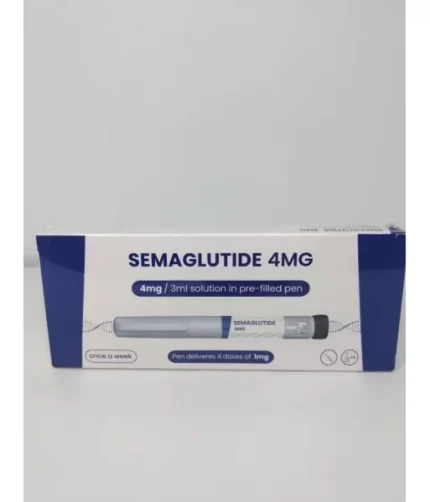
Semaglutide 4 mg](/product/bioamino-labs-semaglutide-4-mg/) SEK 1,200.00
- [

Bioamino Labs Semaglutide 2 mg](/product/bioamino-labs-semaglutide-2-mg/) SEK 1,100.00
- [
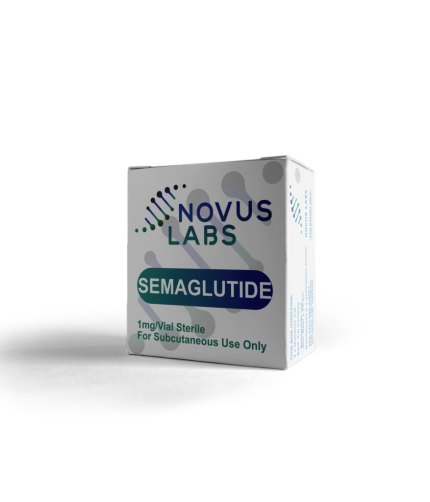
Novous Labs Semaglutide 1mg](/product/novous-labs-semaglutide-1mg/) SEK 995.00
Main properties of Semaglutide:
-
GLP-1 receptor agonist: Activates GLP-1 receptors.
-
Original indication: Developed for type 2 diabetes.
-
Weight Loss: Clinical studies have shown significant weight loss.
How Semaglutide helps in weight loss
Semaglutide promotes weight loss through several mechanisms that work together to reduce appetite, improve metabolism and regulate blood sugar levels.
Mechanisms of action of Semaglutide:
-
Appetite suppression: Reduces feelings of hunger by affecting the appetite-regulating areas of the brain.
-
Improved insulin sensitivity: Helps regulate blood sugar levels, which is essential for weight loss.
-
Delayed gastric emptying: Increases the feeling of satiety after meals, which leads to reduced calorie intake.
Overview table of Semaglutide’s mechanisms of action:
| Mechanism of action | Benefits |
|---|---|
| Appetite suppression | Reduced hunger, less calorie intake |
| Improved insulin sensitivity | Better blood sugar control |
| Delayed gastric emptying | Longer feeling of satiety |
Benefits and side effects of Semaglutide
Advantages of Semaglutide:
-
Significant Weight Loss: Users may experience significant weight loss.
-
Improved Blood Sugar Control: Helps manage blood sugar levels.
-
Reduced Appetite: Helps users eat less and feel fuller for longer.
Side effects of Semaglutide:
-
Gastrointestinal problems: Nausea, vomiting, diarrhea and constipation are common side effects.
-
Hypoglycaemia: Especially when used together with other diabetes medicines.
-
Injection site reactions: Redness or swelling may occur.
How to use Semaglutide correctly
Correct use of Semaglutide is essential to achieve maximum effect and minimize side effects. Here are some guidelines for use:
Dosage and administration:
-
Starting dosage: Start with a low dose to build tolerance.
-
Escalation: Increase the dose gradually according to the doctor’s instructions.
-
Injection: Subcutaneous injection, usually once a week.
Instructions for use:
-
Injection time: Choose a fixed time every week.
-
Injection sites: Vary the injection sites (stomach, thigh, upper arm) to avoid skin irritation.
-
Storage: Store Semaglutide in a refrigerator and allow it to reach room temperature before injection.
Important Considerations:
-
Medical supervision: Always consult a doctor before and during use.
-
Lifestyle changes: Combine Semaglutide with a healthy diet and regular exercise for best results.
Summary table of Semaglutide use:
| Aspect | Details |
|---|---|
| Starting dosage | Low, gradual increase |
| Administration | Subcutaneously, once per week |
| Storage | Refrigerate, room temperature before injection |
| Side effects | Nausea, vomiting, diarrhea, constipation |
Other popular weight loss injections
Besides Tirzepatide and Semaglutide, there are other effective weight loss injections that have been proven to be successful. In this section, we will discuss two of the most popular options: Saxenda (Liraglutide) and Wegovy (Semaglutide for weight loss). We will go over how these injections work, their benefits and side effects, and how to use them properly.
Saxenda (Liraglutide)
Saxenda, also known as Liraglutide, is a GLP-1 receptor agonist used for weight loss. It has become very popular due to its effectiveness and approval by several health organizations.
What is Saxenda?
Saxenda is a medication that activates GLP-1 receptors, which helps reduce appetite and improve blood sugar control. It is approved for use in adults with obesity or overweight and related health problems.
Main characteristics of Saxenda:
-
GLP-1 receptor agonist: Activates GLP-1 receptors.
-
Area of use: Treatment of obesity and overweight.
-
Appetite reduction: Helps reduce feelings of hunger.
How Saxenda helps with weight loss
Saxenda promotes weight loss by suppressing appetite and improving the body’s ability to regulate blood sugar levels.
Mechanisms of action of Saxenda:
-
Appetite suppression: Reduces feelings of hunger by affecting the appetite-regulating areas of the brain.
-
Delayed gastric emptying: Increases the feeling of satiety after meals, which leads to reduced calorie intake.
-
Improved Blood Sugar Control: Helps regulate blood sugar levels.
Overview table of Saxenda mechanisms of action:
| Mechanism of action | Benefits |
|---|---|
| Appetite suppression | Reduced hunger, less calorie intake |
| Delayed gastric emptying | Longer feeling of satiety |
| Improved blood sugar control | Better blood sugar control |
Benefits and side effects of Saxenda
Advantages of Saxenda:
-
Effective weight loss: Many users experience significant weight loss.
-
Improved Blood Sugar Control: Helps manage blood sugar levels.
-
Reduced Appetite: Helps users eat less and feel fuller for longer.
Side effects of Saxenda:
-
Gastrointestinal problems: Nausea, vomiting, diarrhea and constipation.
-
Injection site reactions: Redness or swelling may occur.
-
Hypoglycaemia: Especially when used together with other diabetes medicines.
How to use Saxenda correctly
Correct use of Saxenda is essential to achieve the best results and minimize side effects. Here are some guidelines for use:
Dosage and administration:
-
Starting dosage: Start with a low dose to build tolerance.
-
Escalation: Increase the dose gradually according to the doctor’s instructions.
-
Injection: Subcutaneous injection, usually once a day.
Instructions for use:
-
Injection time: Choose a fixed time every day.
-
Injection sites: Vary the injection sites (stomach, thigh, upper arm) to avoid skin irritation.
-
Storage: Store Saxenda in a refrigerator and allow it to reach room temperature before injection.
Summary table of Saxenda use:
| Aspect | Details |
|---|---|
| Starting dosage | Low, gradual increase |
| Administration | Subcutaneously, once per day |
| Storage | Refrigerate, room temperature before injection |
| Side effects | Nausea, vomiting, diarrhea, constipation |
Wegovy (Semaglutide for weight loss)
Wegovy is a specific formulation of Semaglutide approved for weight loss. It offers similar benefits to Semaglutide but is optimized for weight loss.
What is Wegovy?
Wegovy is a GLP-1 receptor agonist specifically developed and approved for weight loss in adults with obesity or overweight and related health problems.
Main features of Wegovy:
-
GLP-1 receptor agonist: Activates GLP-1 receptors.
-
Application: Specifically approved for weight loss.
-
Appetite reduction: Helps reduce feelings of hunger.
How Wegovy helps with weight loss
Wegovy promotes weight loss by suppressing appetite, improving metabolism and regulating blood sugar levels.
Mechanisms of action of Wegovy:
-
Appetite suppression: Reduces feelings of hunger by affecting the appetite-regulating areas of the brain.
-
Delayed gastric emptying: Increases the feeling of satiety after meals, which leads to reduced calorie intake.
-
Improved Blood Sugar Control: Helps regulate blood sugar levels.
Advantages and side effects of Wegovy
Advantages of Wegovy:
-
Significant weight loss: Users may experience significant weight loss.
-
Improved Blood Sugar Control: Helps manage blood sugar levels.
-
Reduced Appetite: Helps users eat less and feel fuller for longer.
Side effects of Wegovy:
-
Gastrointestinal problems: Nausea, vomiting, diarrhea and constipation.
-
Injection site reactions: Redness or swelling may occur.
-
Hypoglycaemia: Especially when used together with other diabetes medicines.
How to use Wegovy correctly
Correct use of Wegovy is essential to maximize its effectiveness and minimize side effects.
Dosage and administration:
-
Starting dosage: Start with a low dose to build tolerance.
-
Escalation: Increase the dose gradually according to the doctor’s instructions.
-
Injection: Subcutaneous injection, usually once a week.
Instructions for use:
-
Injection time: Choose a fixed time every week.
-
Injection sites: Vary the injection sites (stomach, thigh, upper arm) to avoid skin irritation.
-
Storage: Store Wegovy in a refrigerator and allow it to reach room temperature before injection.
Summary table of Wego view usage:
| Aspect | Details |
|---|---|
| Starting dosage | Low, gradual increase |
| Administration | Subcutaneously, once per week |
| Storage | Refrigerate, room temperature before injection |
| Side effects | Nausea, vomiting, diarrhea, constipation |
.entry-content