Weight loss: A comparison between injections and tablets
Nov 17
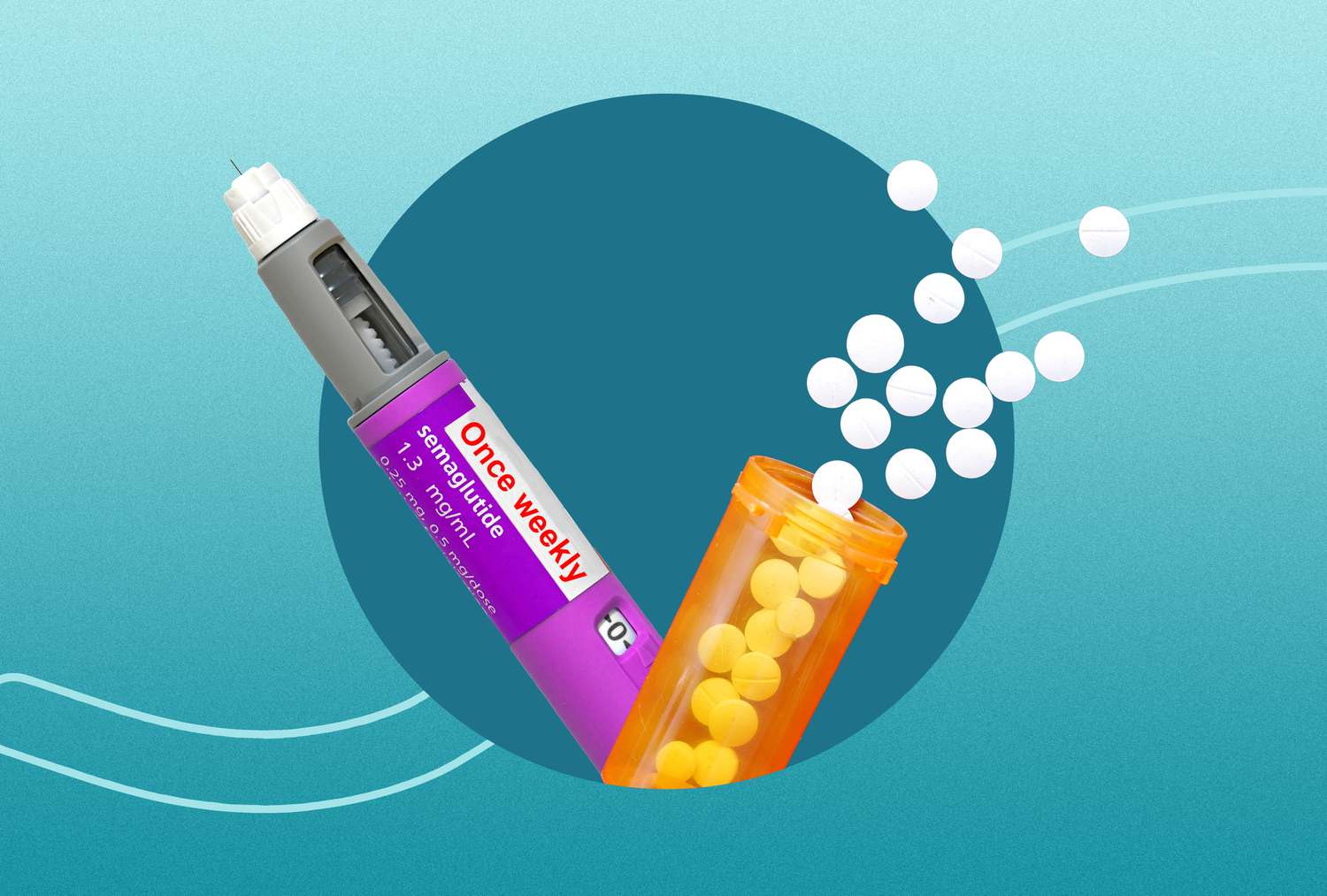
What do we mean by weight loss drugs in injection and tablet form?
When we talk about weight loss drugs in injection and tablet form, we are talking about two different ways of supplying the body with active substances that affect hunger, satiety or metabolism. Although many of us have already heard of these two categories, we often feel that there is a lack of a clear picture of what actually differentiates them. Therefore, in this section we want to create a foundation that makes it easier for us to understand how both forms work, what affects their effect and why they are experienced so differently in practice.
The central point is that both forms – regardless of the method of administration – were developed to support weight control in people who meet medical criteria. This means that their use is based on documented mechanisms and clear rules regarding security. At the same time, the experience of the treatment is strongly influenced by how the body absorbs the medicine, how long the effect lasts and how even the dosage remains throughout the day. This means that injections and tablets are often discussed as two completely different experiences, even though the goal may basically be the same.
Why injectable preparations and tablets are experienced so differently in everyday life
The difference between injections and tablets is not only about the format, but about how the body processes the active substances. Injections are absorbed directly into the tissue and then spread slowly throughout the body over a longer period, while tablets need to pass through the digestive system before reaching the bloodstream. This means that injections are often associated with a more stable and even effect, while tablets can give a more variable response depending on the form of the day, diet and individual differences in absorption.
For us as users, this also means different types of routines. Injections are normally used once a week or on a set schedule, while tablets are often taken daily. This difference affects both how the treatment is experienced and how easy it is to stay consistent over time. In practice, it is therefore not only about biology, but also about lifestyle, habits and psychology – factors that play as big a role as the drug itself.
How we create a realistic picture of what each type of treatment entails
Getting a clear overview of the differences between injections and tablets is also about understanding our own needs, goals and conditions. Many of us find that one form better suits our rhythm, our routines or our way of dealing with changes in everyday life. Others appreciate the structure that comes with regular injections, while some prefer the flexibility that tablets can provide.
The key is not to see any form as universally “better”, but as two different strategies that can work differently for different people. By understanding how they differ in terms of uptake, stability and user experience, we lay the foundation for a more informed and realistic comparison. It also makes it easier for us to take a position on what can work in practice, not just in theory.
How effective are weight loss injections compared to pills?
When comparing injections and tablets for weight loss, we need to start by understanding how differently these two forms of treatment actually work. Although both aim to support us in a controlled and sustainable weight loss, they work in completely different ways in the body. It is therefore natural that the results may differ - both in pace, feeling and long-term stability. For many of us, the choice is not only about effect, but also about how we experience everyday life during treatment and what changes we can adapt to without stress or excessive effort. When we scrutinize the comparison more closely, the picture emerges of two options with their own strengths and limitations, with our personal biology often determining which track is the best fit.
Why injections are often associated with more stable and clearer effects
One of the main reasons why injections have become so talked about is their ability to provide a more even and stable release of active substances in the body. When a drug does not have to pass through the gastrointestinal tract, but instead is absorbed directly into the tissues, the body can handle it in a more predictable way. This often results in appetite regulation changing more quickly and us feeling a more consistent reduction in hunger and impulsive eating. Many therefore experience injections as an alternative that gives clearer daily effects - not because they are “stronger”, but because the body absorbs them more efficiently.
At the same time, it is important to remember that variations in results are completely natural. Our metabolism, our diet and our lifestyle largely determine how the body reacts. Therefore, we see that two people can have different responses even if they use the same type of injection. The key lies in interpreting the changes over time and listening carefully to how the body adapts.
Why tablets sometimes give more gradual but also more flexible results
The tablets work differently. Here, the active substance must pass through the digestive system, which means that the body absorbs the drug more slowly and more varied depending on diet, enzyme activity and individual differences in absorption. For some, this means that the effects feel milder and more gradual, but it can also be an advantage for those who want to let their bodies adjust at a slower pace. We often meet users who appreciate just this – a feeling that the body controls the speed itself and that the process is not as abrupt.
The gradual process means that tablets are sometimes perceived as easier to adapt to everyday life, especially for those who want control without feeling too obvious hormonal shifts. At the same time, one must be aware that the varying level of uptake can make the results less consistent, which means that regularity and patience play an even greater role.
How our individual starting position determines which method gives the best effect
The most important thing to understand when comparing injections to tablets is that our starting point usually determines which route works best. Our goals, our weight journey so far, our pace and our daily habits all create a unique biological profile. This means that the effect of a medicine can never be considered in isolation – the body is always an active part of the process.
For those who want stable appetite control and clear signals, injections can feel like a natural choice. For those who want to take it easy, let the body work at its own pace or prefer the simplicity of swallowing a tablet, tablets can feel more harmonious. Neither method is universally “better”, but both work in their own ways when used with realism, consistency and a clear understanding of how the body reacts.
When are injections more beneficial than tablets?
When we compare injections with tablets, we need to look beyond simple slogans and instead focus on how these two forms of treatment actually work in the body. In recent years, injections have become increasingly popular, largely because they deliver their contents directly into the bloodstream without first passing through the digestive system. For many of us, this means a more stable and predictable effect profile, something that in practice can give a more even effect over the day. At the same time, we notice that injections are often associated with a more structured routine, as they are taken at regular intervals and do not risk being forgotten as easily as tablets.
Why the uptake in the body differs so clearly between the forms
When a medicine is taken as a tablet, it must first be broken down in the stomach and absorbed through the intestine before it reaches the blood. That process is affected by everything from what we ate to how fast the stomach works that particular day. Injections, on the other hand, provide a more direct supply, which means that the body does not have to work with the same breakdown mechanisms. For those of us who want to understand the difference in practice, this means that injections often provide a clearer and more stable concentration of the drug. This difference in bioavailability is one of the main reasons why some treatments work better in injection form.
How the dosage affects the experience and the effect
Another factor that makes injections attractive is that the dosage is often more precise and is not affected by individual differences in digestion. Tablets can react differently depending on how our bodies absorb them, while injections deliver a more controlled amount directly into the system. However, this does not mean that injections are “stronger” or “better”, but rather that the variation in uptake is less. For those of us who want to analyze treatments realistically, this nuance is important — stability is not about intensity, but about predictability.
.entry-content