Protein-rich foods: 30 best high-protein foods
03 Apr
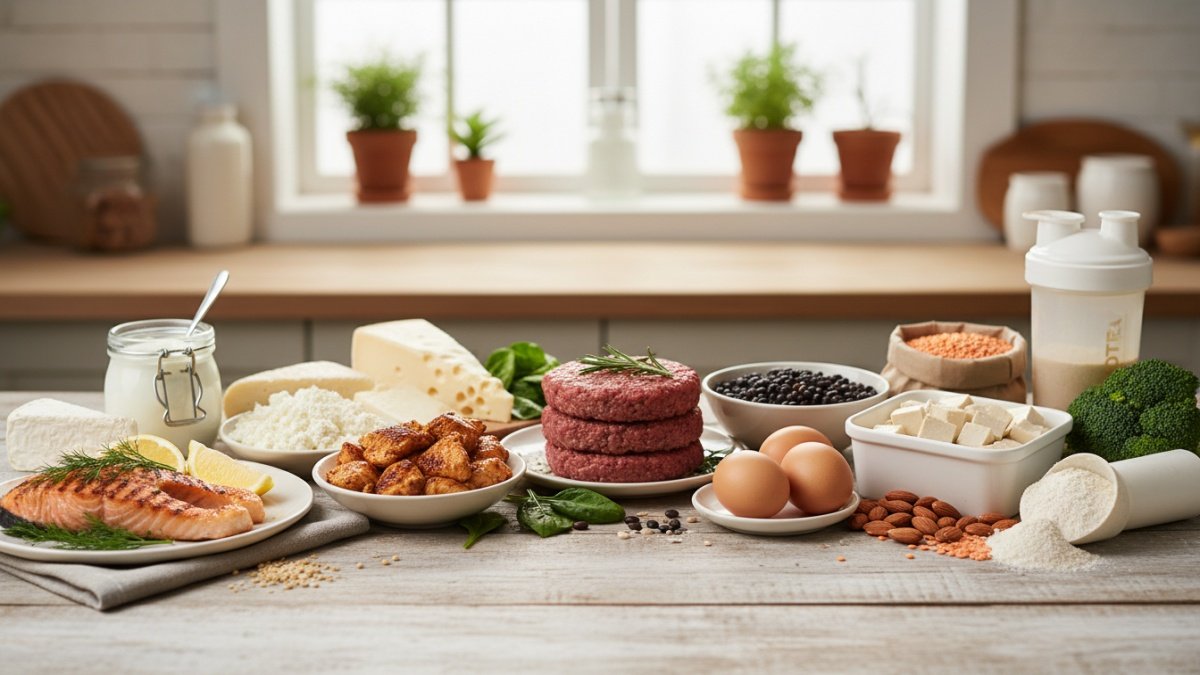
Protein is the macronutrient that most often determines whether a diet actually delivers results — whether the goal is muscle building, weight loss or staying full longer during the day. The problem is that many people don’t know which foods actually contain a lot of protein, and which mostly just seem high in protein. This list breaks it down with concrete numbers: grams of protein per 100g and approximate calorie content.
Animal protein sources — meat and fish high in protein
Meat and fish are among the most concentrated sources of protein available. It’s not just about the total amount of protein, but also about the amino acid profile — animal protein contains all the essential amino acids in a composition the body can use effectively.
Chicken, turkey and lean meat
Chicken breast is, for good reason, a standard choice for those who are actively looking for food with a lot of protein and few calories. Boiled chicken breast provides approximately 31 g of protein per 100 g and is around 165 kcal. The skin is what drives up the calories significantly — without it, the dish remains lighter without sacrificing protein.
Turkey breast performs similarly: 29–30 g of protein per 100 g, often with a slightly lower fat content than chicken depending on the preparation. Beef varies more — a lean inner thigh provides 26-28g of protein per 100g, while a fattier cut such as entrecôte ends up at 22-24g but with significantly more calories. Lean beef mince (≤10% fat) is a practical alternative that ends up with 20-22 g of protein per 100 g and is easier to integrate into everyday food.
Salmon, tuna and shellfish
Salmon provides 20–22 g of protein per 100 g and around 200 kcal — the higher calorie content compared to chicken is explained by the healthy fat (omega-3). The macros are similar. If you want to maximize protein relative to calories, tuna in water is one of the best options at all: 25–26 g of protein per 100 g and only 100–110 kcal. Prawns and cooked clams have 18-20g of protein per 100g with very little fat, making them efficient sources of protein for anyone counting calories.
Cod and other lean white fish contain 18–20 g of protein per 100 g and under 90 kcal — hard to beat from a pure protein-per-calorie perspective.
Dairy products and eggs as protein-rich foods
The dairy section holds some of the most versatile protein-rich foods. They are suitable for breakfast, snacks and cooking — and most are readily available in all Swedish grocery stores.
Eggs, quark and Greek yogurt
A whole egg weighs approximately 50–60 g and provides 6–7 g of protein. Per 100 g, there are 12–13 g of protein and 140–155 kcal. The egg white separated provides 11 g of protein per 100 g but only 52 kcal — one of the best options for high-protein, low-calorie foods. It is also the reason why egg whites are a common element in protein-rich breakfasts.
Cottage cheese deserves a place high on any protein-rich food list. Lean quark (0.2% fat) provides 11–12 g of protein per 100 g and around 65–70 kcal. This makes it a natural choice as a base in breakfast soups, as a topping on muesli or as a direct snack. The consistency is similar to cream cheese but with a fraction of the fat.
Greek yogurt (10% fat content) provides 9–10 g of protein per 100 g. If you choose the fat-free variant, the protein content rises to 10–11 g and the calories drop to 60–65 kcal per 100 g. The difference to regular yogurt is noticeable — regular natural yogurt contains only 3–4 g of protein per 100 g.
Kesella is similar to quark but sometimes has a softer texture and provides 8–10 g of protein per 100 g, depending on the variety. Cottage cheese ends up with 11–12 g of protein per 100 g in the leaner varieties.
Parmesan and hard aged cheese is a protein-rich shock for the one above: grated Parmesan provides 36-38g of protein per 100g, but at 380-400kcal, it’s hard to eat large amounts. As a flavoring agent in cooking, however, it is a simple way to increase the protein content of a dish.
Vegetable sources of protein — beans, lentils and tofu
Plant-based protein sources differ from animal sources in a couple of important ways. They often contain more dietary fiber and carbohydrates, and the amino acid profile is generally not as complete — which doesn’t make them worse, but it does mean that variety is extra important.
Here are the best plant-based options with approximate protein values:
-
Soybeans (cooked): 16–17 g protein per 100 g, about 170 kcal — one of the most complete vegetable protein sources in terms of amino acids
-
Tofu (firm): 8–12 g protein per 100 g depending on firm or silken tofu, 70–140 kcal — absorbs marinades well and is versatile in cooking
-
Edamame (shelled beans): 11-12 g protein per 100 g, 120 kcal — works great as a snack or side dish
-
Black beans and kidney beans (cooked): 8–9 g protein per 100 g, 130–140 kcal — also provides good satiety thanks to the fiber content
-
Lentils (red or green, cooked): 9 g protein per 100 g, 115 kcal — quick-cooked red lentils are one of the easiest ways to increase the protein content of a soup
-
Chickpeas (cooked): 8–9 g protein per 100 g, 160 kcal — used in hummus, salads and stews
-
Tempeh: 19–20 g protein per 100 g, 190 kcal — fermented soy with firmer texture and higher protein content than tofu
-
Seitan (wheat gluten): 24-27 g protein per 100 g, 140-160 kcal — one of the most protein-rich vegetable foods, but not suitable for gluten intolerant
It should be mentioned that the combination of different vegetable protein sources during the day — for example legumes with whole grains — gives a better amino acid profile than each source alone.
Cereals, nuts and protein-rich snacks
This category contains foods that are often underestimated as sources of protein, but can easily contribute extra grams to each meal.
Quinoa, oats and nuts
Quinoa is unusual among grains: it contains all the essential amino acids. Cooked quinoa provides 4–5 g of protein per 100 g and 120 kcal — lower than many people think, but the protein quality is good. Oatmeal (dry) provides 13–14 g of protein per 100 g and is a classic choice for protein-rich breakfasts, especially combined with milk or quark. Cooked oats halve the protein content per 100g due to water absorption, but a serving of 80-100g of dry oats still provides 10-11g of protein in total.
Peanuts and peanut butter are the most protein-rich nuts: 26-28 g protein per 100 g for pure peanuts, 24-25 g for natural peanut butter. The calories are high (580-600 kcal per 100 g), but as a compact snack or flavoring it works well. Almonds provide 21–22 g of protein per 100 g, cashews 15–18 g.
Chia seeds provide 17 g of protein per 100 g and are rich in omega-3 and fiber. They are rarely eaten in sufficient quantities to contribute significantly to the total protein intake, but as a supplement in smoothies and overnight oats they are an easy way to add nutrition.
Pumpkin seeds are an underrated option — they contain 30 g of protein per 100 g and are suitable as a snack or salad topping. Together with sunflower seeds (21 g of protein per 100 g), they are among the most protein-rich seeds you can find in a regular grocery store.
Boiled soy milk only provides 3-4g of protein per 100ml, but that’s more than most other plant-based milk alternatives. If you choose a protein-enriched oat yogurt, you can find variants with up to 8–9 g of protein per 100 g.
Summary table — protein and calories per 100 g
|Food|Protein (g/100g)|Calories (kcal/100 g)|
|Chicken breast (boiled)| 31 | 165 |
|Tuna in water| 25–26 | 105 |
|Parmesan| 36–38 | 390 |
|Tempeh| 19–20 | 190 |
|Seitan| 24–27 | 150 |
|Curd (lean)| 11–12 | 68 |
|Egg white| 11 | 52 |
|Salmon| 20–22 | 200 |
|Prawns (boiled)| 18–20 | 90 |
|Peanuts| 26–28 | 595 |
|Lentils (cooked)| 9 | 115 |
|Pumpkin seeds| 30 | 560 |
|Oatmeal (dry)| 13–14 | 370 |
|Greek yogurt (0%)| 10–11 | 63 |
|Edamame| 11–12 | 120 |
The table shows a clear pattern: protein-rich foods from animal sources top the list in grams per 100g, but when you weigh protein against calories, lean options like egg whites, shrimp and quark are hard to beat. Tempeh and seitan assert themselves very well in the vegetable category — the protein content really competes with meat.
How to build a protein-rich breakfast and plan daily goals
It’s not enough to know which foods with a lot of protein are available — it’s important to actually get them into your everyday life. Protein synthesis is stimulated by evenly distributed intake throughout the day, rather than eating all the protein at one meal. Research from 2022 and 2023 suggests that 30-40g of protein per meal is a practical benchmark for most adults who exercise.
A protein-rich breakfast doesn’t have to be complicated. Combining eggs and quark with berries provides 20–25 g of protein without taking a long time to prepare. Overnight oats with low-fat milk, quark and a portion of peanut butter can land on 30+ g of protein and keep you full for a long time. Greek yogurt with granola and an egg provides about 22-25g of protein depending on the serving size.
For lunch and dinner, build the plate around the protein source rather than the carbohydrates. A portion of salmon (150 g) with vegetables and quinoa provides 35–38 g of protein. A skillet of chicken, edamame and broccoli can easily exceed 40g of protein in one serving. Those who eat vegetables and want to reach the same level need to combine several sources — tofu with lentils and pumpkin seeds in a curry bowl can land on 25–30 g of protein per portion if the amounts are generous.
Protein-rich snacks that keep intake up between meals: boiled egg (6-7 g protein per piece), a handful of pumpkin seeds or almonds, a can of cottage cheese, or edamame from the freezer. These options require no preparation and fit in most bags or the office fridge.
The exact daily protein requirement varies depending on body weight, activity level and goals. As a rule of thumb, 1.6–2.2 g of protein per kilogram of body weight is often used for those who do strength training regularly. For a 75 kg person, that means 120-165 g of protein per day — a goal that is fully achievable with the right food choices, without having to count every gram.
.entry-content