HPLC 98.2% VERIFIED
 View Details
 Novous Labs
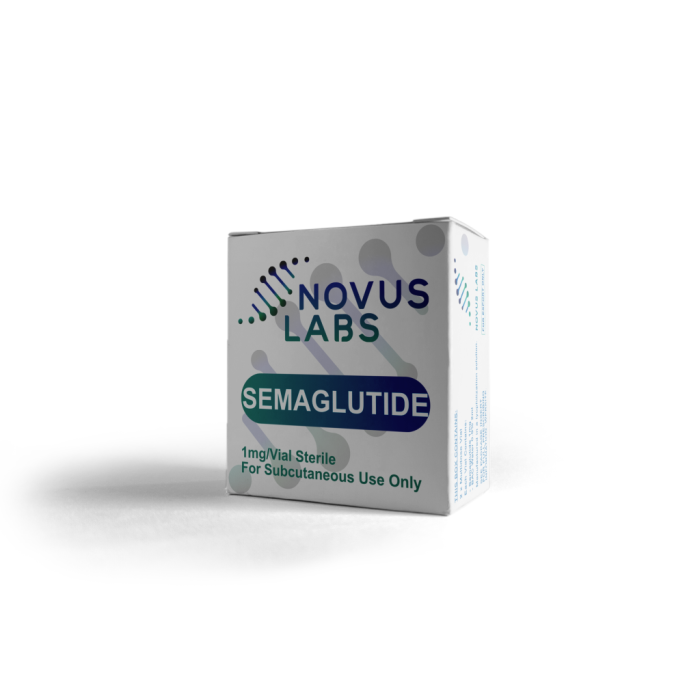
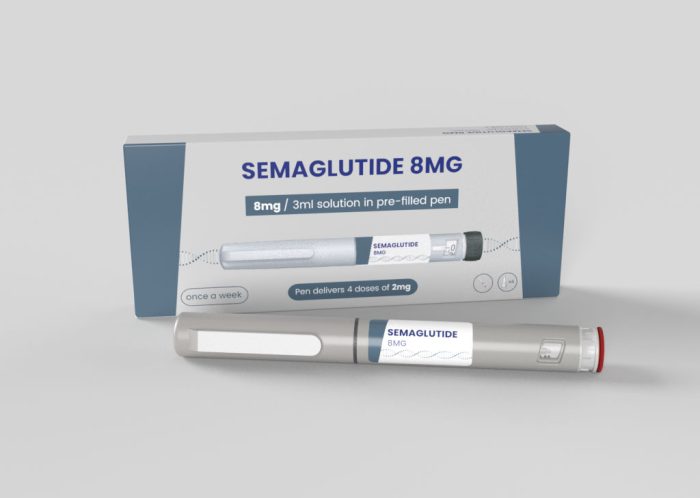
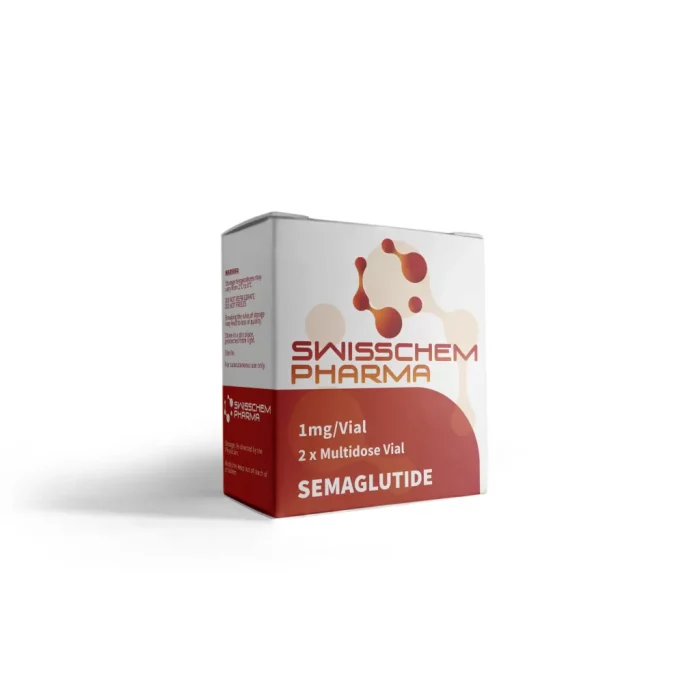
Fact sheet for Semaglutide 8 mg: An HPLC-verified performance compound with a verified purity of 97.6% (tested on 2026-03-18). The product contains the active substance Semaglutide at a concentration of mg and comes in a size of 1 unit. Recommended for athletes seeking guaranteed chemical purity and exact dosing.
Semaglutide is a synthetic peptide that belongs to the class of GLP-1 receptor agonists (glucagon-like peptide-1) and belongs to the most studied molecules in modern metabolic pharmacology. It is a st...
Semaglutide is a synthetic peptide that belongs to the class of GLP-1 receptor agonists (glucagon-like peptide-1) and belongs to the most studied molecules in modern metabolic pharmacology. It is a structural analog of the endogenous human GLP-1 hormone, modified with three key changes: the amino acid at position 8 is changed from alanine to α-aminoisobutyric acid to protect against degradation by the enzyme DPP-4, a C18 fatty acid diacid is attached via a spacer to allow strong binding to serum albumin, and the amino acid at position 34 is changed from lysine to arginine. The result of the modifications is a very long plasma half-life of approximately 165 hours, corresponding to approximately one week, which enables weekly administration.
Semaglutide was developed by Novo Nordisk and was first approved by the FDA in December 2017 under the trade name Ozempic for the treatment of type 2 diabetes. In June 2021, the same molecule was approved at a higher dose under the trade name Wegovy for the treatment of overweight and obesity in adults. An oral preparation, Rybelsus, was approved in 2019 for type 2 diabetes — the only commercially available oral GLP-1 agonist that successfully overcomes gastrointestinal degradation through the use of the absorption enhancer SNAC. The pivotal clinical trials are part of the SUSTAIN program (type 2 diabetes), the STEP program (obesity) and the SELECT trial (cardiovascular outcomes in obese subjects).
Presentation 8 mg corresponds to a pharmaceutical concentration often used in multi-dose vials and pens intended for subcutaneous administration. The actual weekly dose during treatment is lower — between 0.25 mg and 2.4 mg per week depending on the indication and up-titration phase — and the total amount in one bottle is thus enough for several weeks of use.
Semaglutide binds selectively to the GLP-1 receptor, a G protein-coupled receptor expressed on pancreatic beta cells, alpha cells, gastric parietal cells, cardiac muscle cells and several centers in the brain, especially in the hypothalamus and brainstem. The binding activates the Gs protein, which increases intracellular cAMP and thereby triggers protein kinase A and Epac-mediated signaling.
Glucose-dependent insulin secretion is stimulated on the beta cells — that is, insulin is released only when blood sugar levels are elevated, which reduces the risk of hypoglycemia compared to sulfonylureas or exogenous insulin. Glucagon secretion from the alpha cells is suppressed, which further contributes to glucose homeostasis through reduced hepatic glucose production. On the stomach, gastric emptying is slowed down, which delays the absorption of carbohydrates and reduces postprandial glucose peaks.
Central nervous influence is central to weight reduction. The GLP-1 receptors in the nucleus arcuatus of the hypothalamus, in the nucleus tractus solitarii and in the area postrema mediate satiety signals and suppress appetite. The brain's reward system, including the ventral tegmentum and nucleus accumbens, is affected in ways that reduce cravings for particularly high-energy foods and alcohol—a finding that has fueled exploratory studies in alcohol addiction. Direct cardiovascular effects, documented in the SELECT trial, include reduced inflammation in the vessel wall, lowered blood pressure and improved endothelial parameters.
In pharmacological studies from the SUSTAIN, STEP and SELECT programs as well as in extensive post-marketing reporting, several physiological systems where semaglutide leaves a clear imprint reappear:
The side effect profile of semaglutide has been extensively documented in the SUSTAIN, STEP and SELECT programs as well as in post-marketing reporting since 2017. The profile is dominated by gastrointestinal side effects, especially during the up-titration phase. More rare but serious side effects occur and require attention during clinical follow-up.
The overall side effect picture of semaglutide — gastrointestinal effects, rare but serious reactions in the pancreas and biliary tract and a theoretical C-cell tumor risk — means that clinical use requires close monitoring of symptoms, weight development and relevant laboratory parameters (HbA1c, lipid status, liver and kidney function).
Perfect for PCT. Recovery went quickly and smoothly.
Translated from SwedishFast delivery and professional service on Telegram. Will keep shopping here.
Translated from SwedishWell packed and fast shipping. Very happy with my purchase.
Translated from SwedishWill order more soon. Reassuring with independent HPLC analyses.
Translated from SwedishGood quality Clenbuterol, really kicked off the fat burning.
Translated from Swedish View Details  View Details
  View Details
  View Details