HPLC 98.2% VERIFIED
 View Details
 Novous Labs
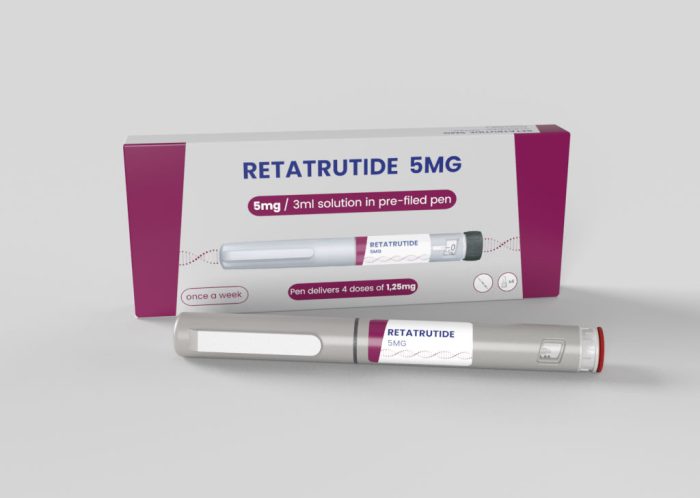
Fact sheet for Retatrutide 5 mg: An HPLC-verified performance compound with a verified purity of 97.9% (tested on 2026-01-18). The product contains the active substance Retatrutide 5 mg at a concentration of mg and comes in a size of 1 unit. Recommended for athletes seeking guaranteed chemical purity and exact dosing.
Retatrutide (development designation LY3437943) is a synthetic peptide and one of the most innovative molecules in modern metabolic pharmacology. The substance is a so-called triagonist — a single mol...
Retatrutide (development designation LY3437943) is a synthetic peptide and one of the most innovative molecules in modern metabolic pharmacology. The substance is a so-called triagonist — a single molecule that simultaneously activates three different G protein-coupled receptors: the GLP-1 receptor, the GIP receptor (gastric inhibitory polypeptide / glucose-dependent insulinotropic polypeptide) and the glucagon receptor. The design is a structural evolution from the single agonists semaglutide and liraglutide and from the dual agonist tirzepatid, and aims to combine the anabolic and thermogenic effect of glucagon receptor activation with the already established anorexigenic and insulinotropic effects of GLP-1 and GIP agonism.
Retatrutide is developed by Eli Lilly and consists of a 39-amino acid peptide chain modified with a C20 fatty acid side chain that binds to serum albumin and extends the plasma half-life to approximately six days. The molecule is in phase 3 development in the TRIUMPH program for the indications obesity (TRIUMPH-1, TRIUMPH-2, TRIUMPH-3), type 2 diabetes (TRIUMPH-DM) and cardiovascular outcomes (TRIUMPH-OUTCOMES). At the date of this compilation, retatrutid is not registered with any pharmaceutical authority and has no formal approved indication.
Phase 2 data published in 2023 in the New England Journal of Medicine showed a weight reduction of up to 24 percent at the highest studied dose of 12 mg at 48 weeks, the strongest results reported for any pharmacologic treatment of obesity to date. Presentation 5 mg corresponds to one of the doses studied in clinical trials.
Retatrutide exerts its effect via the simultaneous activation of three receptors, all of which are G-protein coupled, and trigger increased intracellular cAMP via the Gs protein. The activation of the GLP-1 receptor causes glucose-dependent insulin secretion from the beta cells, suppresses glucagon secretion from the alpha cells, delays gastric emptying and mediates satiety signals in the hypothalamus and brainstem. GIP receptor activation enhances glucose-dependent insulin secretion and has been shown to affect adipose tissue metabolism and central appetite regulation in a complementary manner.
The third component — glucagon receptor activation — is what most distinctly distinguishes retatrutide from previous incretin drugs. Activation of the glucagon receptor in the liver stimulates gluconeogenesis and fat oxidation while increasing energy metabolism. In thermogenic tissues, especially brown and beige fat, glucagon increases basal metabolism via upregulation of UCP1 expression. The paradoxical combination of glucagon agonism and GLP-1 agonism is balanced by GLP-1 activation counteracting the hyperglycemic tendencies that glucagon receptor activation alone would produce — the net result is improved glucose homeostasis despite the glucagon component.
The double effect on energy intake (reduced appetite) and energy expenditure (increased thermogenesis) produces in preclinical and clinical research greater weight loss than single or double agonists achieve. The half-life of approximately six days allows for weekly administration.
In published phase 1 and phase 2 studies as well as in preclinical research, several physiological systems return where retatrutide leaves a clear imprint:
As retatrutide is in phase 3 development and is not registered as a medicinal product, the safety profile is currently limited to data from phase 1 and phase 2 trials and ongoing phase 3 studies. Long-term safety in humans is incompletely characterized and postmarketing experience is lacking. The profile below is based on published study results and on what can be expected given the established safety profiles of GLP-1 and GIP receptor agonists and on preclinical research on the glucagon component.
The overall safety picture of retatrutide is incompletely characterized at the date of this compilation because the molecule is in phase 3 development. Long-term efficacy and safety data in humans will be established through results from the TRIUMPH program and potential subsequent postmarketing reporting. For the time being, the risk picture must be interpreted in the light of limited human data.
Effective fat burning, sweated a lot during cardio but the weight dropped.
Translated from SwedishEffective fat burning, sweated a lot during cardio but the weight dropped.
Translated from SwedishTried many different brands but this is absolutely top class.
Translated from SwedishEffective fat burning, sweated a lot during cardio but the weight dropped.
Translated from SwedishFast shipping and a discreet envelope. Good quality product.
Translated from Swedish View Details  View Details
  View Details
  View Details