HPLC 98.2% VERIFIED
 View Details
 Novous Labs
Fact sheet for Orforglipron: An HPLC-verified performance compound with a verified purity of 98.4% (tested on 2026-04-16). The product contains the active substance Orforglipron at a concentration of N/A and comes in a size of 1 unit. Recommended for athletes seeking guaranteed chemical purity and exact dosing.
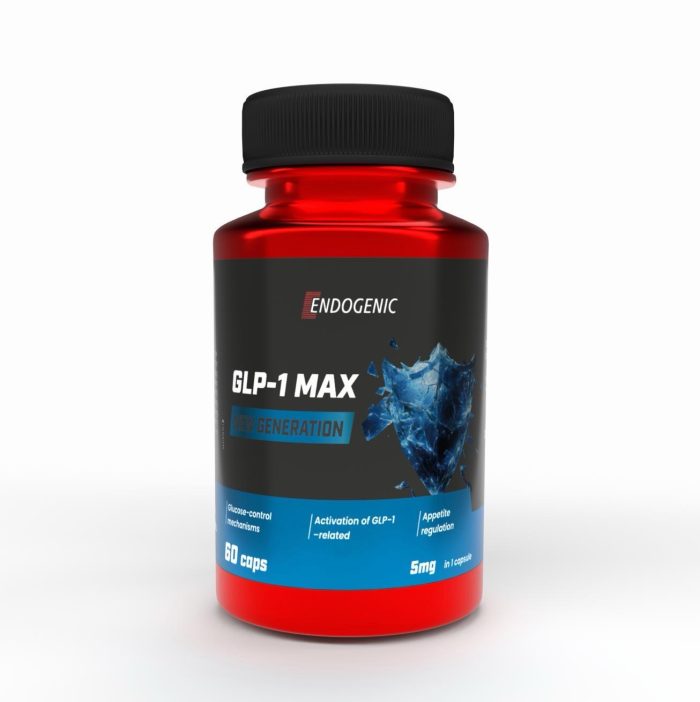
Losing weight using GLP-1-based therapy has so far involved regular injections — with semaglutide (Wegovy, Ozempic) or tirzepatid (Mounjaro, Zepbound). Orforglipron breaks that pattern.
Losing weight using GLP-1-based therapy has so far involved regular injections — with semaglutide (Wegovy, Ozempic) or tirzepatid (Mounjaro, Zepbound). Orforglipron breaks that pattern. The substance, developed by Eli Lilly in collaboration with Japan's Chugai Pharmaceutical, is an oral GLP-1 receptor agonist that is taken as a regular tablet once a day. No needles, no requirements on an empty stomach, no restrictions on food or drink during intake. Phase 3 data from over 4,500 study participants confirm that orforglipron produces clinically relevant weight loss and improves a range of metabolic risk factors.
GLP-1 receptor agonists mimic the body's own hormone GLP-1 (glucagon-like peptide-1) and affect appetite, satiety and blood sugar regulation. Semaglutide and tirzepatide — the best-known drugs in this class — are peptide molecules. This means that they have a protein structure that breaks down in the gastrointestinal tract and therefore traditionally have to be injected subcutaneously.
Orforglipron is constructed differently. The molecule belongs to the category of «small molecules» — small, non-peptidic compounds that can withstand passage through the stomach without losing their biological activity. It makes oral administration possible without the restrictions that apply to Rybelsus (oral semaglutide), where the tablet must be swallowed on an empty stomach with a waiting period of at least 30 minutes before food and drink. Orforglipron can be taken at any time of the day, with or without food.
The half-life is 29 to 49 hours, depending on the dose, which provides an even effect throughout the day with daily dosing. At the same time, the manufacturing process for small molecules is significantly simpler and more scalable than peptide production — something that in the long run can lead to lower prices and wider availability.
The evidence for orforglipron's efficacy is based on Eli Lilly's ATTAIN and ACHIEVE study programs — large-scale, double-blind, placebo-controlled phase 3 trials conducted at hundreds of clinics around the world.
### Weight loss: ATTAIN-1
ATTAIN-1 is the pivotal obesity study. 3,127 adults with BMI ≥ 30 (or ≥ 27 with weight-related comorbidities) were randomized to daily orforgliprone at three dose levels or placebo for 72 weeks. The results were published in the New England Journal of Medicine in September 2025:
| Dose | Average weight loss (72 v.) | ≥ 10% decline | ≥ 15% decline | | --- | --- | --- | --- |
| 6 mg/day | -7.5% | 29.6% | 15.7% |
| 12 mg/day | -8.4% | 37.1% | 20.3% |
| 36 mg/day | –11.2% (approx. 12.4 kg) | 54.6% | 36.0% |
| Placebo | -2.1% | 12.9% | 5.9% |
At the highest dose, participants lost an average of 12.4 kg over 18 months. More than half achieved at least 10 percent weight loss — a threshold at which doctors see clear improvements in metabolic health and cardiovascular risk.
### Metabolic improvements beyond weight
The weight loss was accompanied by significant improvements in several cardiometabolic risk markers compared to placebo. Waist circumference, systolic blood pressure, triglycerides and non-HDL cholesterol dropped significantly. High-sensitivity C-reactive protein (hsCRP), a marker of inflammation, was reduced by around 48% at the 36 mg dose. Among the roughly 1,100 participants with prediabetes, up to 91% normalized their blood sugar levels during orforgliprone treatment, compared to 42% in the placebo group.
In the ACHIEVE-1 study, which focused on type 2 diabetes, HbA1c was reduced by an average of 1.48 percentage points at 36 mg. Over 65% of participants on that dose achieved an HbA1c below 6.5% — below the diagnostic cutoff for diabetes.
Orforglipron is a film-coated tablet taken once a day. The tablet can be swallowed at any time — morning, noon or evening — without connection to meals and without restrictions on water or other drinks. The only advice is to keep approximately the same time each day to maintain a stable plasma concentration.
### Escalation schedule according to clinical studies
In the phase 3 trials, treatment started with a low dose that was gradually increased every four weeks. The purpose of this titration is to give the gastrointestinal tract time to adjust and minimize gastrointestinal discomfort in the initial phase. The daily doses investigated were 3 mg, 6 mg, 12 mg, 24 mg and 36 mg. Of these, 36 mg proved to have the strongest effect on weight loss.
A typical escalation course in the studies looked like this: start with 3 mg daily for four weeks, then increase to 6 mg, then 12 mg, and then 24 mg — with 36 mg as the final target dose after about 17 weeks of titration. Note that orforglipron is not yet approved and that the final dosage schedule may be adjusted before the market introduction. The information here is based on published study results (2025/2026).
The side effect profile of orforgliprone follows the pattern known from other GLP-1 receptor agonists. The most common complaints are gastrointestinal and occur above all during the first weeks of treatment and when the dose is increased. In the majority of participants, these complaints were mild to moderate and gradually subsided as the body became accustomed to the substance.
### Common gastrointestinal side effects (ATTAIN-1, 36 mg vs. placebo)
| Side effect | Orforglipron 36 mg | Placebo | | --- | --- | --- |
| Nausea | 33.7% | 10.4% |
| Constipation | 25.4% | 9.3% |
| Diarrhea | 23.1% | 9.6% |
| Vomiting | 24.0% | 3.5% |
| Dyspepsia | 14.1% | 5.0% |
Discontinuation due to adverse events was 10.3% at 36 mg compared to 2.7% in the placebo group. With lower doses (6 mg and 12 mg, respectively), the discontinuation rate was lower — 5.3% and 7.9%. Serious hypoglycemias were not recorded during the studies, and no worrisome liver safety signals were observed.
### Rare reported events
In isolated cases, pancreatitis (inflammation of the pancreas) and gall bladder problems have been reported. Both of these side effects are previously known from the GLP-1 class and occurred rarely in the orforglipron studies. In case of persistent or severe pain in the upper part of the abdomen — especially if they radiate to the back — a doctor should be contacted.
An aspect that researchers and clinicians are debating: GLP-1-based treatments not only reduce fat mass but also muscle mass. Regular strength training and an adequate protein intake can counteract this loss. After finishing treatment, there is also a risk of weight regain (so-called yo-yo effect) if permanent changes in diet and lifestyle are not maintained.
Tried many different brands but this is absolutely top class.
Translated from SwedishKeeps estrogen in check with no problem. Very happy with the effect.
Translated from SwedishWell packed and fast shipping. Very happy with my purchase.
Translated from SwedishGood quality Clenbuterol, really kicked off the fat burning.
Translated from SwedishTop marks! Handled very professionally from order to delivery.
Translated from Swedish View Details  View Details
  View Details
  View Details