HPLC 99.1% VERIFIED
 View Details
 Unknown Brand
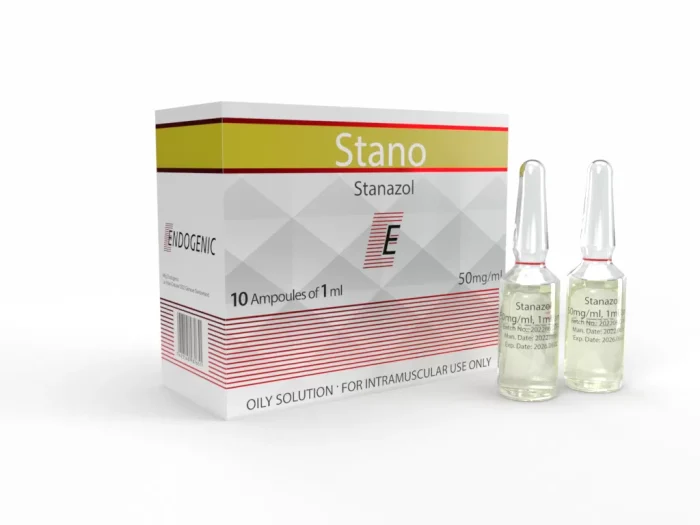
Fact sheet for Endogenic Stano Inj: An HPLC-verified performance compound with a verified purity of 97.6% (tested on 2026-02-16). The product contains the active substance Endogenic Stano Inj at a concentration of N/A and comes in a size of 1 unit. Recommended for athletes seeking guaranteed chemical purity and exact dosing.
Stanozolol (chemically 17α-methyl-2'H-androsta-2-eno[3,2-c]pyrazol-17β-ol) is a synthetic anabolic-androgenic steroid with a distinct structural feature. The molecule is based on dihydrotestosterone (...
Stanozolol (chemically 17α-methyl-2'H-androsta-2-eno[3,2-c]pyrazol-17β-ol) is a synthetic anabolic-androgenic steroid with a distinct structural feature. The molecule is based on dihydrotestosterone (DHT) but has a heterocyclic pyrazole ring attached to the A ring in the 3,2 position, replacing the classic 3-keto group seen in all other anabolic steroids. This pyrazole ring not only prevents aromatization but also changes the physicochemical properties of the molecule in such a way that water solubility becomes possible — an unusual feature in the class. The ester bond is missing; stanozolol is an ester-free molecule, which means that the same active substance is used both in the oral form and in the water-based injection suspension.
The substance was developed by Winthrop Laboratories in the USA in the late 1950s and was introduced in 1962 under the trade name Winstrol (oral) and Winstrol Depot (injection). The original clinical indications included conditions with tissue consumption: cachexia, postoperative convalescence, osteoporosis, some forms of growth disorders, and the relatively rare condition of hereditary angioedema, where stanozolol became the first-line prophylactic treatment due to its upregulating effect on C1 esterase inhibitors. The oral form has since been withdrawn from several markets, while the injectable form remains in some countries as a veterinary medicinal product.
Stanozolol is 17α-alkylated regardless of the form of administration, which means that hepatotoxic properties remain even after injection. The half-life for oral use is around 9 hours; the water suspension gives a slightly extended profile of about 24 hours. The ratio of anabolic to androgenic activity is stated in classic literature to be approximately 320:30 — an unusually shifted profile with a strong anabolic component and low androgenic character.
Stanozolol binds to the androgen receptor (AR) with good affinity, forms a ligand-receptor complex and is transported to the cell nucleus, where it controls the transcription of genes linked to protein synthesis and nitrogen balance. The pyrazole-modified structure provides several pharmacological features that distinguish the molecule from other DHT derivatives.
The pyrazole ring in the A ring blocks substrate activity at the aromatase enzyme, so estrogenic conversion is completely absent. At the same time, the molecule is resistant to 5α-reductase and does not affect typical estrogen-related tissues. Stanozolol also has a pronounced low affinity for sex hormone-binding globulin (SHBG) — in comparative studies measured at one of the lowest values among anabolic steroids — which means that the molecule itself releases endogenous testosterone from SHBG binding and increases the fraction of free active testosterone in serum.
The 17α-alkylation blocks the breakdown in the liver and keeps the substance active in the circulation. The consequence is that hepatotoxicity becomes characteristic of stanozolol, regardless of whether the molecule is administered orally or via injection — in both cases the molecule passes the liver repeatedly. Studies have documented elevated transaminases, cholestatic effects and, with prolonged exposure, the risk of liver structural changes. The molecule also affects collagen synthesis in connective tissue and tendons in a characteristic way, a phenomenon associated with reports of tendon and joint-related problems in long-term users.
In the available pharmacological literature, clinical studies from use in hereditary angioedema and osteoporosis as well as later epidemiological research, several physiological systems in which stanozolol shows an impact return:
The side effect profile of stanozolol is characterized by the combination of 17α-alkylation, a strong effect on the lipid profile and a distinct effect on connective tissue. Hepatotoxic properties persist upon injection and are central to the risk picture. The water-based injection suspension also gives a specific local reaction that is not seen with oil-based preparations.
The overall side effect picture of stanozolol — hepatotoxic load, pronounced lipid impact, tendon and connective tissue effects — requires, in clinical use, regular laboratory controls (liver enzymes, lipid status, blood count, hormone panel) and an individual assessment of the risk-benefit balance.
Great kickstart to the cycle. Strength shot up right away.
Translated from SwedishReally good punch in the product. Delivery arrived after 2 days in a discreet envelope.
Translated from SwedishFast delivery and professional service on Telegram. Will keep shopping here.
Translated from SwedishExcellent support and fast delivery straight to the mailbox.
Translated from SwedishTried many different brands but this is absolutely top class.
Translated from Swedish View Details  View Details
  View Details
  View Details