HPLC 98.7% VERIFIED
 View Details
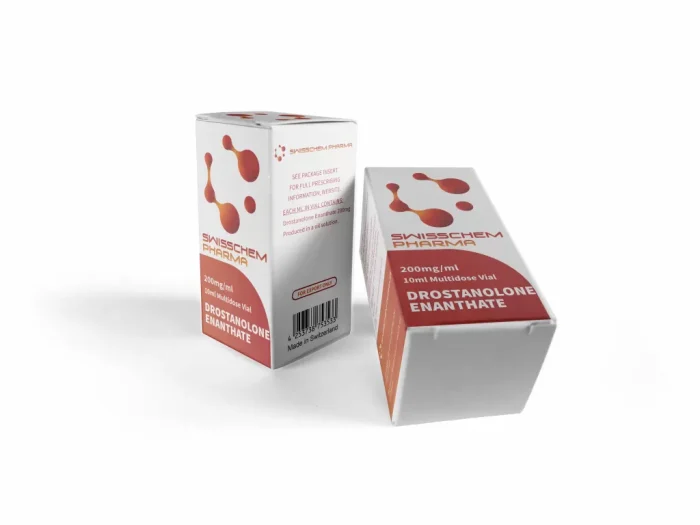
 Fact sheet for Endogenic EnanDrost Drostanolone Enantate: An HPLC-verified performance compound with a verified purity of 98.6% (tested on 2026-02-21). The product contains the active substance Endogenic EnanDrost Drostanolone Enantate at a concentration of N/A and comes in a size of 1 unit. Recommended for athletes seeking guaranteed chemical purity and exact dosing.
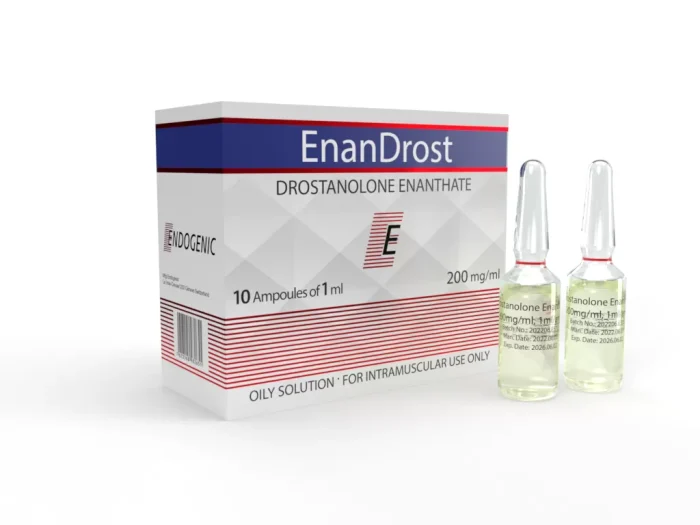
Drostanolone enanthate (chemically 2α-methyl-dihydrotestosterone enanthate) is a long-acting ester of drostanolone, a derivative of dihydrotestosterone (DHT). Structurally, the molecule is based on DH...
Drostanolone enanthate (chemically 2α-methyl-dihydrotestosterone enanthate) is a long-acting ester of drostanolone, a derivative of dihydrotestosterone (DHT). Structurally, the molecule is based on DHT, where a methyl group in the 2α position has been added to the A-ring — a seemingly small modification with two crucial consequences. It blocks breakdown via 3α-hydroxysteroid dehydrogenase in muscle tissue, which preserves the androgenic potential of the substance locally, while the molecule becomes completely resistant to aromatization to estrogen.
Drostanolone was developed in the 1950s and was introduced in the early 1960s under the trade name Drolban from Syntex, and later in Europe as Masteril and Permastril. The original indication was the palliative treatment of inoperable breast cancer in postmenopausal women, a use based on the molecule's antiestrogenic profile and its ability to compete with endogenous estrogens at the receptor level. The indication was gradually abandoned when tamoxifen and later aromatase inhibitors showed better tolerability.
The enanthate, with a heptanoic acid chain of seven carbons, gives the preparation a half-life of around 7–10 days and a very prolonged release profile from the depot at the injection site. The ratio of anabolic to androgenic activity is stated in the literature to be approximately 62:25 with testosterone as a reference of 100:100 — a relatively mild anabolic component with a distinct androgenic character.
At the cellular level, drostanolone binds to the androgen receptor (AR) with good affinity. The formed ligand-receptor complex is moved to the cell nucleus and controls the transcription of genes linked to protein synthesis, nitrogen balance and certain structural proteins in muscle and connective tissue.
What distinguishes drostanolone from classic anabolic steroids is related to the DHT basic structure and the 2α-methylation. The substance cannot be aromatized to estradiol because the aromatase enzyme lacks the ability to act on 5α-reduced steroids. Drostanolone itself also acts as a weak competitive inhibitor of aromatase and can block the conversion of endogenous testosterone to estrogen. The pharmacological basis for the original oncological use lies precisely here.
A third property concerns the binding to sex hormone-binding globulin (SHBG). Drostanolone has a high affinity for this transport protein, significantly higher than testosterone. In practice, the molecule displaces testosterone from SHBG and increases the fraction of free testosterone in the blood. The same DHT structure makes the substance insensitive to 5α-reductase — it is already in a reduced form — and is not exposed to further activation in the skin or prostate.
In the available pharmacological literature and in clinical data from the period when drostanolone was widely used, several physiological systems where the substance leaves its mark are found:
The side effect profile of drostanolone enanthate differs from other anabolic steroids on several points, mainly due to the DHT basic structure of the molecule and the lack of estrogen conversion. However, the absence of estrogenic side effects such as gynecomastia, water retention and edema does not mean that the substance is free of negative effects — on the contrary, a number of effects become more pronounced precisely because of the unchanged androgenic potential and the long release profile of the enantate.
The overall side effect picture of drostanolone enanthate — marked androgenic character, lipid impact and long-lasting HPG suppression — means that clinical use requires regular laboratory checks (lipid status, blood count, liver enzymes, hormone panel). The caution applies especially in women, where the virilization effects can be difficult to reverse.
Tried many different brands but this is absolutely top class.
Translated from SwedishVery satisfied. Fast handling and good prices.
Translated from SwedishYou can tell it's the real deal and correctly dosed. Strength goes up every week.
Translated from SwedishWill order more soon. Reassuring with independent HPLC analyses.
Translated from SwedishWell packed and fast shipping. Very happy with my purchase.
Translated from Swedish View Details  View Details
  View Details
  View Details