HPLC 98.2% VERIFIED
 View Details
 Anubis
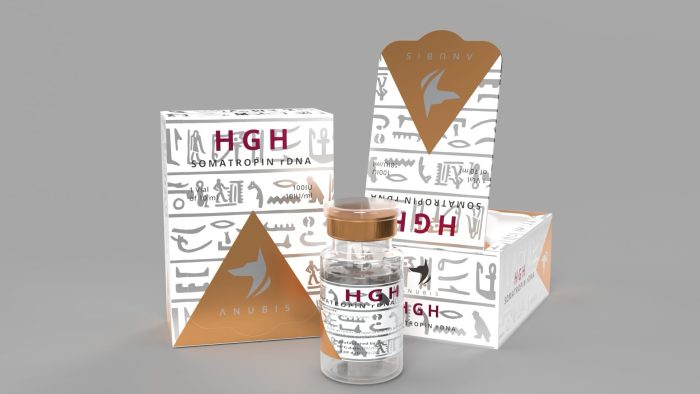
Fact sheet for Anubis Somatropin 10 x 10 IU: An HPLC-verified performance compound with a verified purity of 98.2% (tested on 2026-04-15). The product contains the active substance Somatropin at a concentration of N/A and comes in a size of 10 x 10 IU vials. Recommended for athletes seeking guaranteed chemical purity and exact dosing.
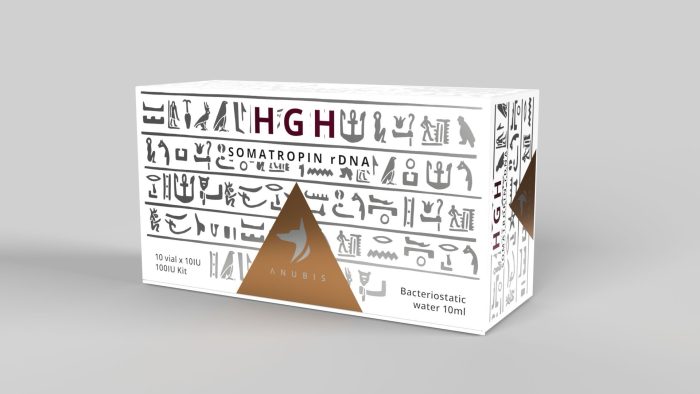
Somatropin is the international generic name for recombinant human growth hormone (rhGH) — a protein molecule produced by genetic engineering that has an identical amino acid sequence to naturally occ...
Somatropin is the international generic name for recombinant human growth hormone (rhGH) — a protein molecule produced by genetic engineering that has an identical amino acid sequence to naturally occurring human growth hormone. The molecule consists of 191 amino acids in a continuous polypeptide chain with two intramolecular disulfide bridges, and has a molecular weight of approximately 22 kilodaltons. It is the product of the rhGH gene cloned into bacterial or mammalian cell systems (most commonly E. coli or mammalian cells); after expression, the protein is purified and freeze-dried into an injection-ready form.
Before recombinant technology became available in the 1980s, growth hormone was extracted from autopsy material—specifically, pituitary glands from deceased humans. That method was abandoned after a number of cases of Creutzfeldt-Jakob disease were linked to contaminated preparations. Genentech's Protropin, approved by the FDA in 1985, was the first commercially available recombinant variant (then in the form of methionyl-hGH with an extra methionine as the lead amino acid), and in 1987 the completely nature-identical 191-amino acid hormone was introduced under the trade name Humatrope from Eli Lilly.
Activity is traditionally expressed in international units (IU), where 1 mg of purified somatropin corresponds to approximately 3 IU. The 10×10 IU package is a standard pharmaceutical presentation: ten vials, each containing 10 IU reconstituted powder. The approved clinical indications include deficiency conditions in children (idiopathic growth hormone deficiency, Turner syndrome, Noonan syndrome, Prader-Willi syndrome, short stature associated with chronic renal failure) as well as adult growth hormone deficiency as a result of pituitary pathology.
After subcutaneous injection, somatropin is absorbed from the injection depot into the blood, with a bioavailability of around 70–80 percent and a plasma half-life of 2–4 hours. However, the biological half-life is significantly longer because the hormone primarily acts by inducing the formation of a secondary messenger hormone, IGF-1, whose levels persist in serum significantly longer than the administered somatropin.
At the cellular level, somatropin binds to the growth hormone receptor (GHR), a transmembrane protein receptor expressed on most tissues but in highest density in the liver. The binding triggers dimerization of two receptor molecules, which activates the intracellular kinase JAK2. JAK2 in turn phosphorylates the transcription factor STAT5b, which translocates to the cell nucleus and directs the transcription of target sequences — the IGF-1 gene being the central one. The liver is the major producer of circulating IGF-1, but many other tissues, particularly muscle, cartilage, and bone, locally produce IGF-1 that contributes to the paracrine effects.
Somatropin also has direct effects that are not mediated via IGF-1. The hormone is lipolytic — it stimulates the breakdown of triglycerides in adipose tissue via activation of hormone-sensitive lipase. Glucose metabolism is also directly affected: somatropin is insulin-antagonistic and can raise blood sugar with heavy exogenous supply, an effect central to the diabetogenic profile.
In pharmacological literature from decades of clinical use in growth hormone deficiency as well as epidemiological research, several physiological systems return where somatropin leaves a clear imprint:
The side effect profile of somatropin is well established from decades of clinical use in growth hormone deficiency and has also been extensively documented in epidemiological studies. The profile is dose-dependent — at replacement doses in GH-deficient patients, adverse effects are relatively rare, but at supraphysiological doses, the risk of several of the reactions below rises noticeably.
The overall side effect picture of somatropin — fluid retention, glucose metabolic impact, IGF-1-mediated structural effects and theoretical tumor-related risk — means that clinical use requires close medical follow-up with laboratory controls (IGF-1 levels, fasting glucose, HbA1c, thyroid function) and individual assessment of the risk-benefit balance.
Fast shipping and a discreet envelope. Good quality product.
Translated from SwedishExcellent support and fast delivery straight to the mailbox.
Translated from SwedishFast shipping and a discreet envelope. Good quality Somatropin.
Translated from SwedishPerfect for healing my shoulder injury. The recovery is enormous.
Translated from SwedishHigh purity and good bioavailability. The lab report matched the effect well.
Translated from Swedish View Details  View Details
  View Details
  View Details