Ozempic and alcohol: Can you drink during treatment?
08 Apr
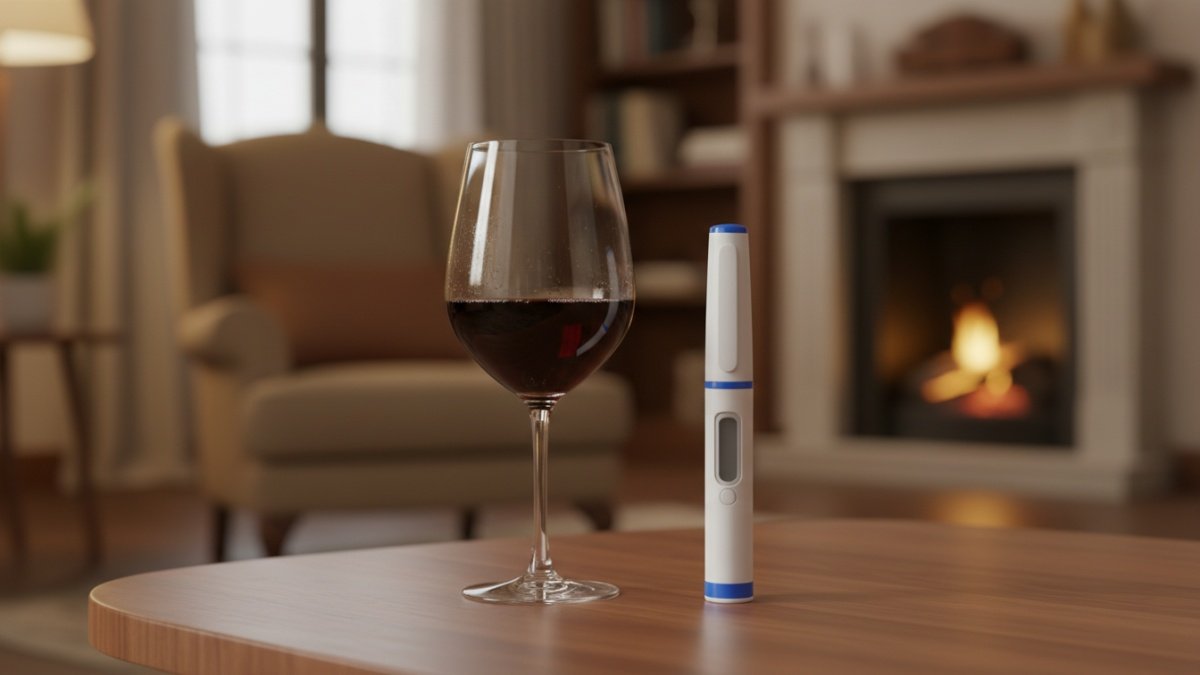
Many people who start semaglutide — whether it’s Ozempic or Wegovy — ask themselves the same question pretty quickly: what actually happens if you drink alcohol during treatment? It’s a fair question, and the answer is more nuanced than a simple yes or no. The combination affects the body in several ways at the same time, and for some patients even a small amount of alcohol can cause noticeably stronger side effects than before.
How semaglutide changes the body’s reaction to alcohol
Semaglutide belongs to the drug group GLP-1 receptor agonists, which means that it mimics a natural gut hormone that is normally released after we eat. The effect is that the stomach empties more slowly, appetite decreases and blood sugar is regulated more stably. These mechanisms fundamentally change how the body deals with what you put into you — including alcohol.
When the stomach empties more slowly, alcohol is absorbed at a more even and sometimes delayed pace. It may sound beneficial, but in practice it means that you can underestimate how affected you actually are. The blood alcohol concentration does not rise as steeply immediately, but the high level lasts longer. Several patients report that they feel affected by significantly less alcohol than they are used to — one or two glasses are enough where previously more was required.
There is also a neurochemical dimension. GLP-1 receptors are not only found in the gastrointestinal tract but also in the brain, including in the reward circuits activated by alcohol. Animal studies from 2023 show that GLP-1 activation attenuated alcohol craving and reduced voluntary alcohol consumption in rats. Early observational studies on humans point in the same direction — that the treatment can reduce the desire to drink. There is nothing written out as a purpose of the medicine, but it is a side effect that the scientific community is currently actively investigating.
Nausea, liver strain and other side effects that are enhanced by alcohol
The most common side effects of semaglutide are nausea, vomiting and diarrhea, especially during the first weeks of treatment when the dose is increased. Alcohol can significantly increase these symptoms. The nausea that results from slowing gastric emptying interacts directly with alcohol’s irritating effect on the stomach lining — the result can be severe nausea or vomiting even after a relatively small amount of alcohol.
Double load on the liver with the combination of semaglutide and alcohol
The liver is responsible for breaking down both alcohol and the substances affected by the semaglutide treatment. When alcohol is consumed, the liver prioritizes alcohol breakdown, which can affect glucose production. In people using Ozempic for type 2 diabetes — and who may also be taking metformin or other blood sugar-lowering drugs — this may create an increased risk of hypoglycaemia, that is, low blood sugar.
Alcohol inhibits the liver’s production of glucose for several hours after drinking. Combined with the fact that semaglutide already lowers blood sugar levels, the effect may be that blood sugar falls more than expected. In addition, the symptoms of hypoglycemia — sweating, tremors, palpitations, confusion — can be masked by alcohol’s own effects and be difficult to distinguish from ordinary intoxication. It is a situation that requires extra vigilance, especially if you drink without eating.
If you have fatty liver or impaired liver function in the past, you should discuss alcohol specifically with your doctor, because semaglutide in combination with alcohol can further increase the burden on the liver.
Dehydration and electrolyte balance
Alcohol is a diuretic and increases fluid loss. Semaglutide can cause diarrhea and vomiting, both of which contribute to dehydration. The combination creates an increased risk of dehydration, which in turn can worsen nausea, give headaches and negatively affect blood sugar regulation. It’s a simple, but often overlooked, problem — drinking enough water during and after alcohol consumption is especially important during ongoing GLP-1 therapy.
Wegovy and Mounjaro: does the same thing apply?
Wegovy contains the same active ingredient as Ozempic — semaglutide — but in higher doses and with the approval aimed at weight loss rather than diabetes treatment. This means that all reasoning about alcohol and semaglutide applies fully to Wegovy. The dosage profiles are slightly different, but the mechanisms are identical.
Mounjaro (tirzepatide) is a related drug that activates two receptor types: GLP-1 and GIP. It is approved for type 2 diabetes and is increasingly being used off-label for weight loss pending broader indications. Liver effects, the risk of hypoglycemia and increased nausea with alcohol are relevant here as well — possibly even more so because tirzepatide has a stronger effect on gastric motility than semaglutide alone. Alcohol and tirzepatide are even less studied than alcohol and semaglutide, but the mechanisms suggest that the same caution applies.
Common to all GLP-1-based treatments is that they slow gastric emptying, affect reward systems in the brain and can interact with the liver’s ability to keep blood sugar stable — exactly what makes the alcohol combination problematic.
What do the guidelines say about alcohol and ozempic?
The manufacturer Novo Nordisk does not list alcohol as an absolute contraindication for semaglutide. The SmPC recommends that alcohol should be limited during treatment, citing the risk of hypoglycaemia and gastrointestinal side effects. It is therefore not a total ban, but not a disclaimer certificate either.
The European Medicines Agency (EMA) and the Swedish Medicines Agency do not have separate guidelines specifically for ozempic and alcohol beyond what appears in the product information. In practice, the advice from prescribing doctors usually means:
-
Avoid alcohol during the first 4–8 weeks when the side effects are at their strongest and the dose is increased
-
If you choose to drink: stick to one glass, eat food in conjunction with the alcohol and drink extra water
-
Never drink alcohol on an empty stomach during ongoing treatment
-
Inform your doctor if you regularly drink more than the recommended limits — it affects the safety and effectiveness of the treatment
-
Monitor your blood sugar closely if you are being treated for diabetes and choose to drink
The limit value for risk-free alcohol consumption according to the Public Health Agency is a maximum of 10 standard glasses per week for adults, with at least two alcohol-free days. During semaglutide treatment, the recommendation is to stay significantly below that — ideally below 5 glasses per week, and most treating physicians recommend pausing completely during the ramp-up phase.
How do you handle alcohol practically during treatment?
For those who do not want or cannot abstain completely, there are strategies that reduce the risk of discomfort and medical complications. It is not about normalizing alcohol during treatment, but about giving realistic information to those who find themselves in social situations where alcohol is present.
Always eat a proper meal before or in conjunction with drinking. Food in the stomach further slows alcohol absorption and helps keep blood sugar stable. Choose drinks with lower alcohol content and avoid sweet cocktails or alcoholic drinks with a lot of sugar, which can cause rapid spikes in blood sugar followed by a sharp drop.
Drink water in parallel — a glass of water for every glass of alcohol is a rule of thumb that helps prevent dehydration. Keep track of how you feel; if you feel more affected than you should based on the amount you drank, it is a sign that semaglutide has changed your tolerance. It is your body that signals that you have reached your limit.
A practical point that many people miss: alcohol can affect you differently from time to time during treatment, especially if the dose has recently been increased. What you tolerated well three weeks ago may not be true today. Therefore, plan carefully if you know you will be in a situation with alcohol — avoid driving, be in a place where you can rest if you feel sick, and have someone around you who knows your treatment.
If you regularly drink more alcohol than is within reasonable limits during semaglutide treatment, this should be discussed with the doctor — not to be judged, but because the treatment requires an honest risk assessment. Alcohol dependence and GLP-1 treatment is an area that is now being investigated clinically, including after observations that semaglutide appears to reduce alcohol cravings in some patients. The treatment plan may need to be adapted.
When should you avoid alcohol completely during semaglutide treatment?
There are situations where the answer is clear: alcohol should be avoided completely. During the first 8 weeks of treatment, when nausea and other gastrointestinal complaints are at their worst, alcohol is an unnecessary risk that is almost guaranteed to worsen symptoms. The same applies when increasing the dose, regardless of where you are in the treatment.
Patients with known liver disease, a history of pancreatitis or impaired renal function should not combine alcohol with semaglutide without specifically discussing it with their specialist. Pancreatitis is an uncommon but serious side effect of GLP-1 treatment — and alcohol itself is a risk factor for pancreatitis. The combination involves an additive risk that is not worth taking.
If you have experienced hypoglycemic episodes during treatment, alcohol, especially in the evening or at night, is associated with a more concrete danger. The drop in blood sugar caused by alcohol can occur several hours after the last drink — sometimes in the middle of the night — and be more difficult to notice and correct. In that scenario, abstinence is the only reasonable advice.
Ozempic and alcohol can be combined in limited amounts for many patients, but this requires awareness of the mechanisms, honesty about one’s habits and an open dialogue with the attending physician. Understanding why the body reacts differently is the first step towards making informed decisions — whether it ends with total distance or a thoughtful glass on occasion.
.entry-content